
If you’re starting from scratch and craving that light, coastal feel at home, it can be tempting to reach for all the obvious pieces. But I’ve always been drawn to a softer, more layered version of coastal style—one that feels lived-in rather than themed. My approach leans into warm neutrals, natural textures, and that relaxed elegance you see in Indie Hicks West Indies style, balanced with the crisp simplicity of Nantucket interiors.
If I’m honest, that pull probably started long before I ever thought about “design.” Growing up in the Caribbean, light wasn’t something you had to create—it was just there. Rooms felt open, breezes moved through easily, and nothing was overly precious. Later, I found myself equally drawn to that New England coastal aesthetic—tailored but still relaxed, classic but never fussy.
Somewhere along the way, those two influences blended into what I now think of as my version of coastal: airy but grounded, casual but intentional. And whether you’re building a space from the ground up or simply refreshing what you have, the goal is the same—to create a home that feels like the coast, without ever looking like a souvenir shop.
Here’s how to bring in that coastal energy without tipping into kitschy territory.
Start With a Calm, Neutral Base
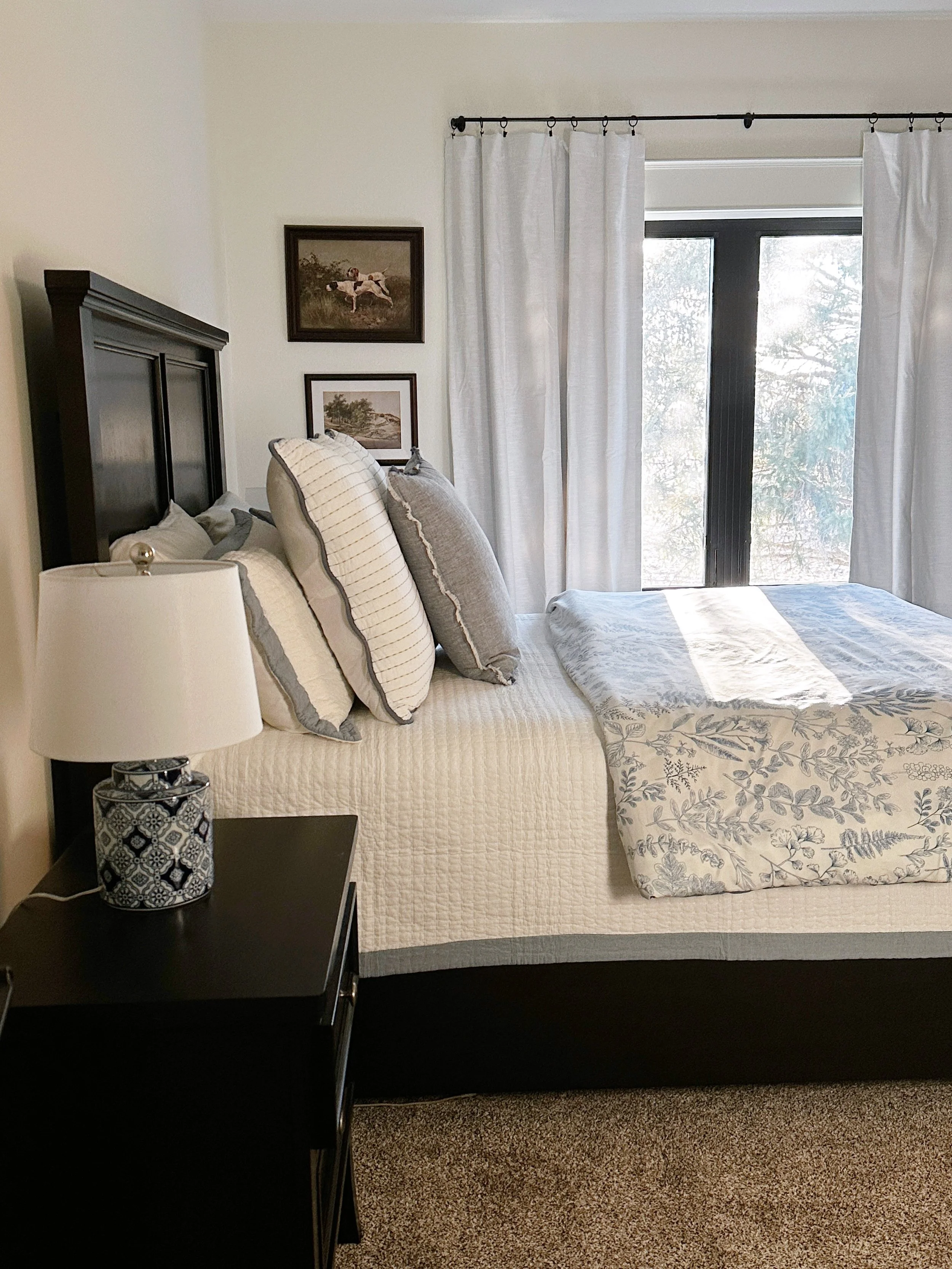
Coastal style isn’t about piling on ocean-themed décor—it’s about evoking how the coast feels. Think soft, sun-washed tones:
Warm whites instead of stark white
Sandy beiges and light taupes
Muted blues and soft greens (not bright nautical navy everywhere)
Your walls, larger furniture, and rugs should feel like a quiet backdrop. This creates that airy, open feeling that coastal homes are known for.
Focus on Natural Textures
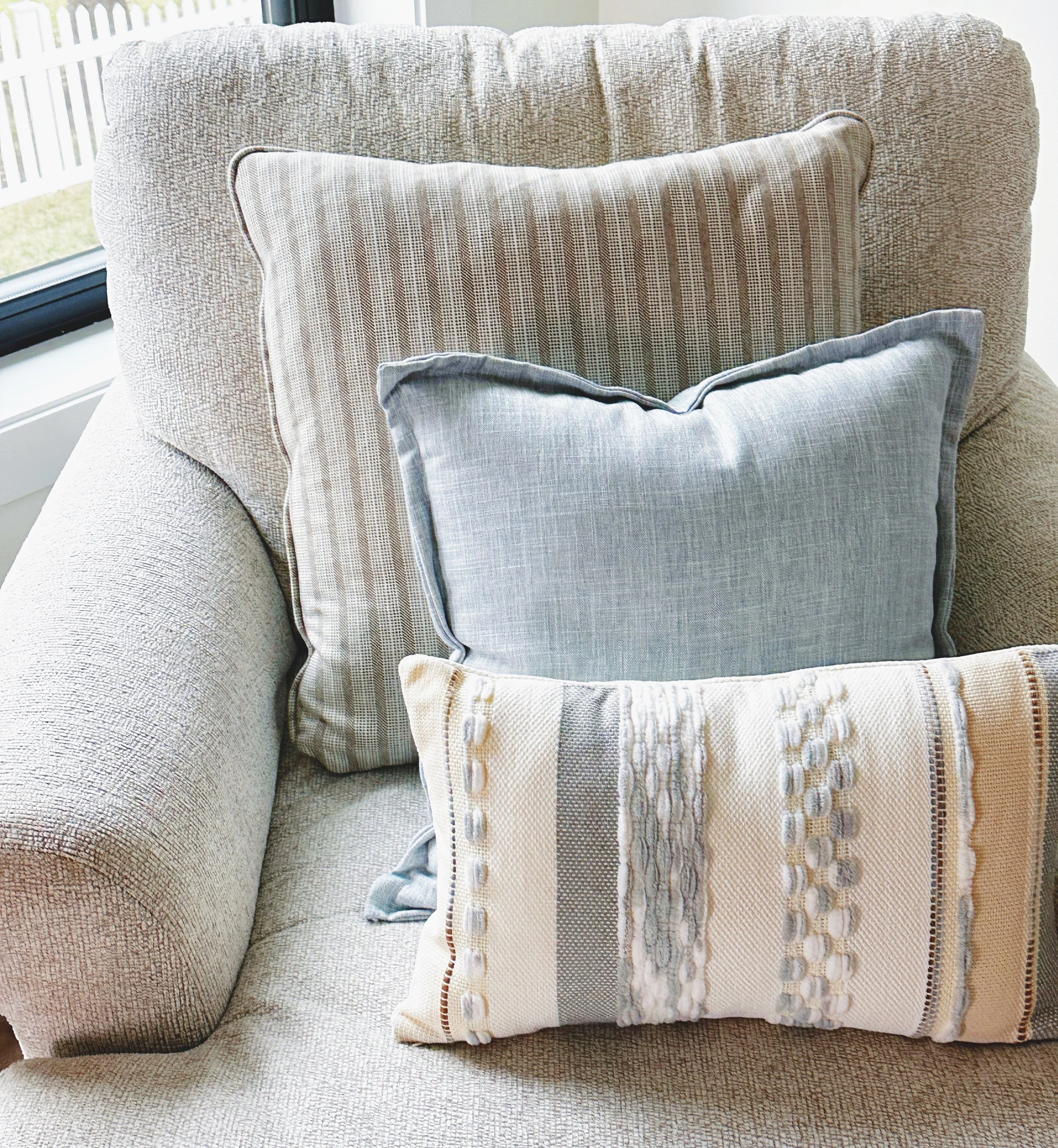
If you do nothing else, do this. Texture is what separates elevated coastal from cliché coastal. Incorporate materials like:
Linen (curtains, throw pillows)
Cotton (slipcovers, bedding)
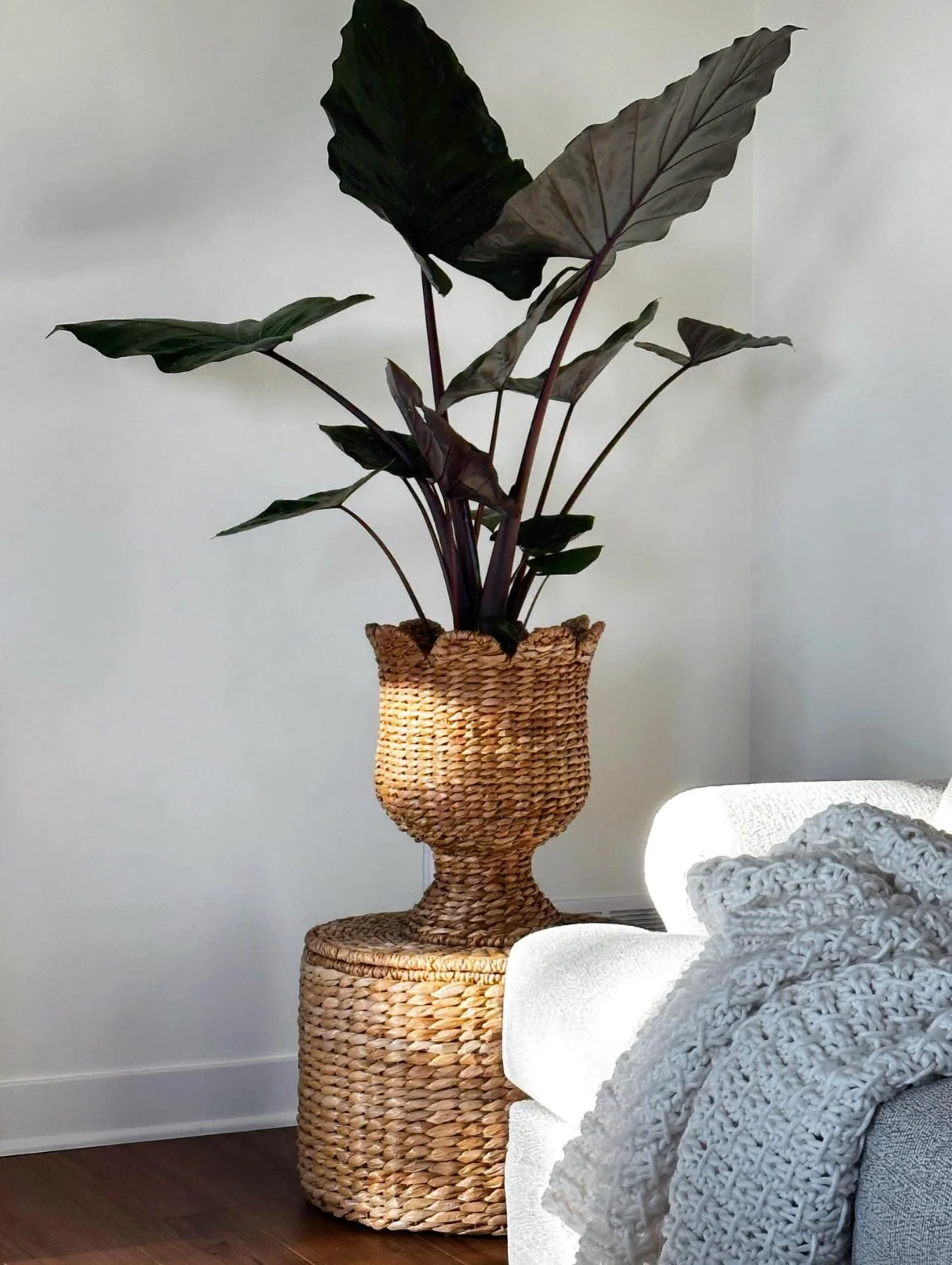
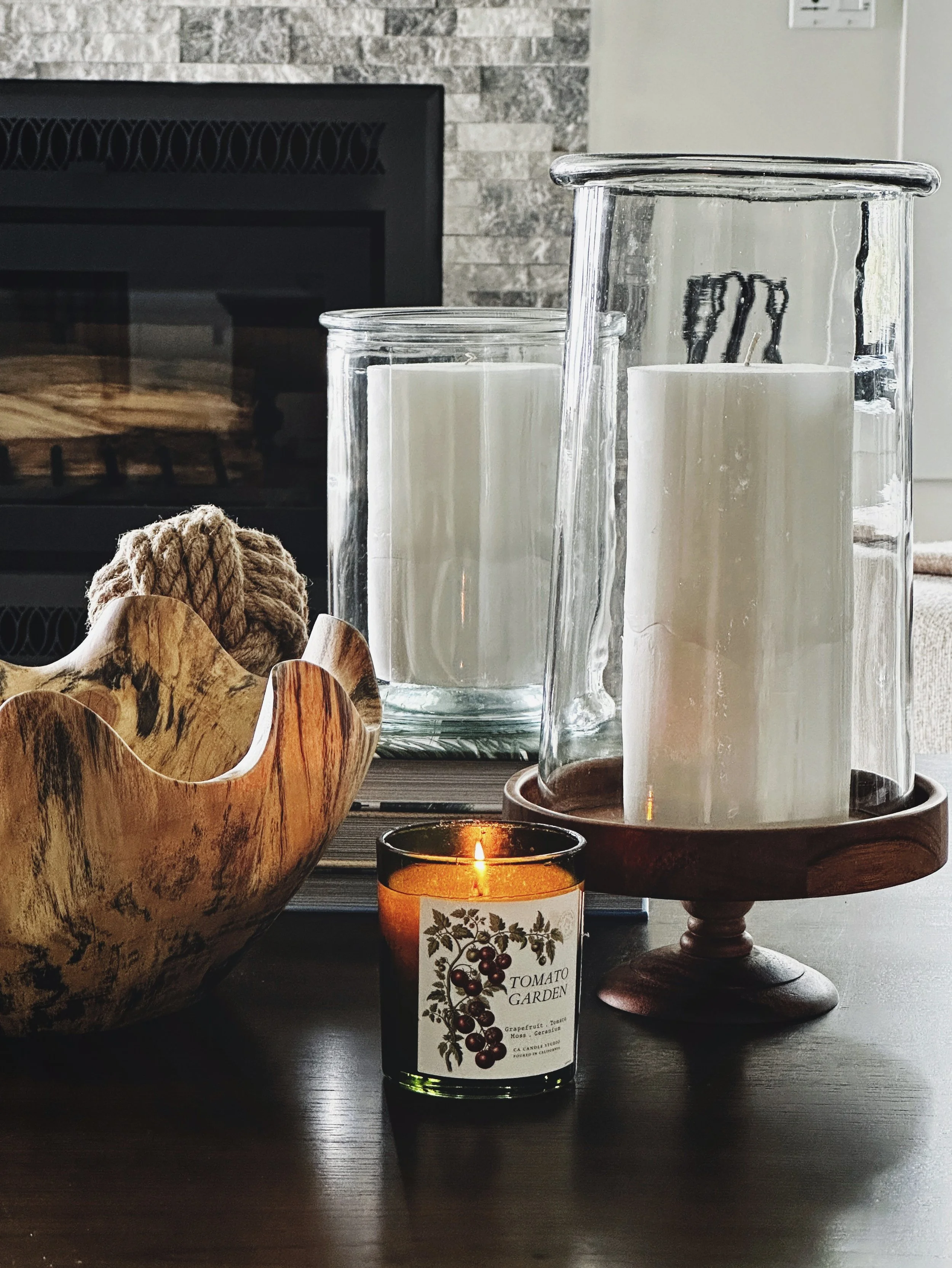
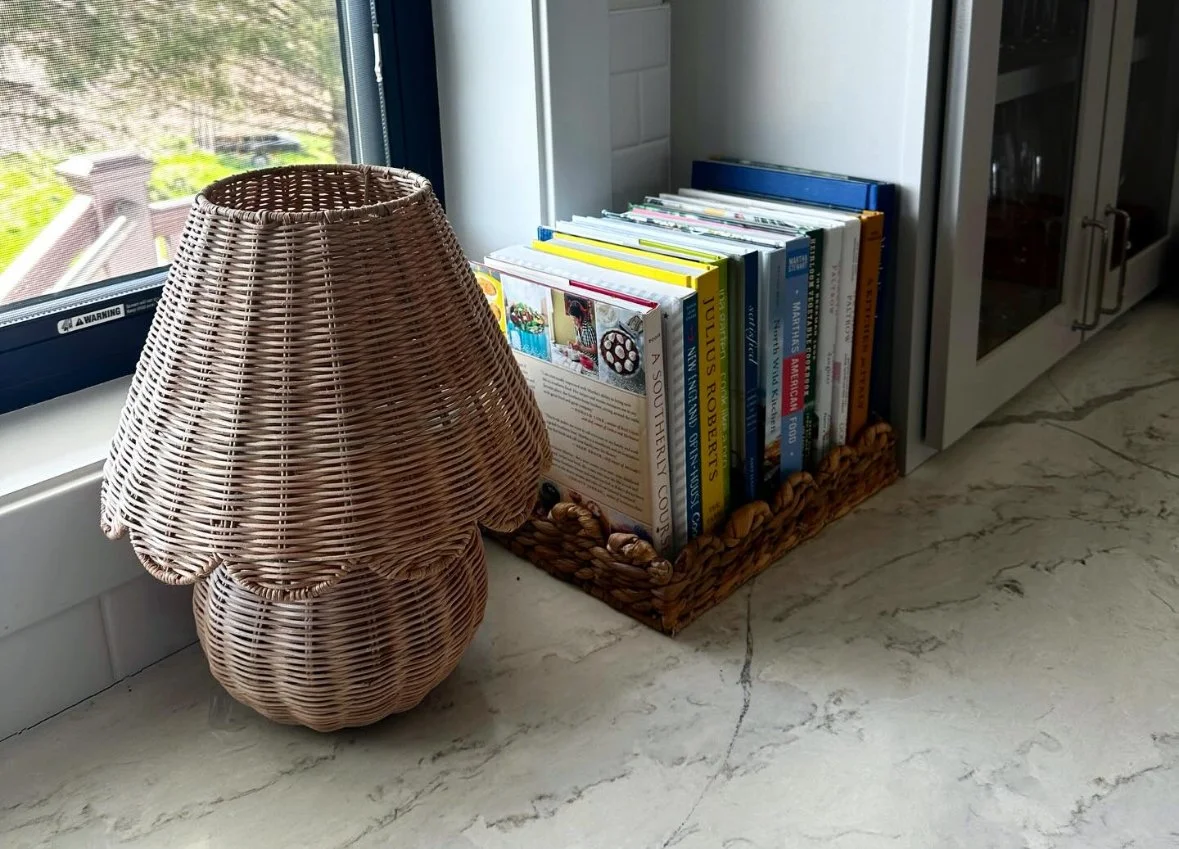
Rattan or wicker (chairs, baskets)
Light or weathered wood
Jute or sisal rugs
These elements add depth without shouting “beach theme.”
Edit Your “Beachy” Decor
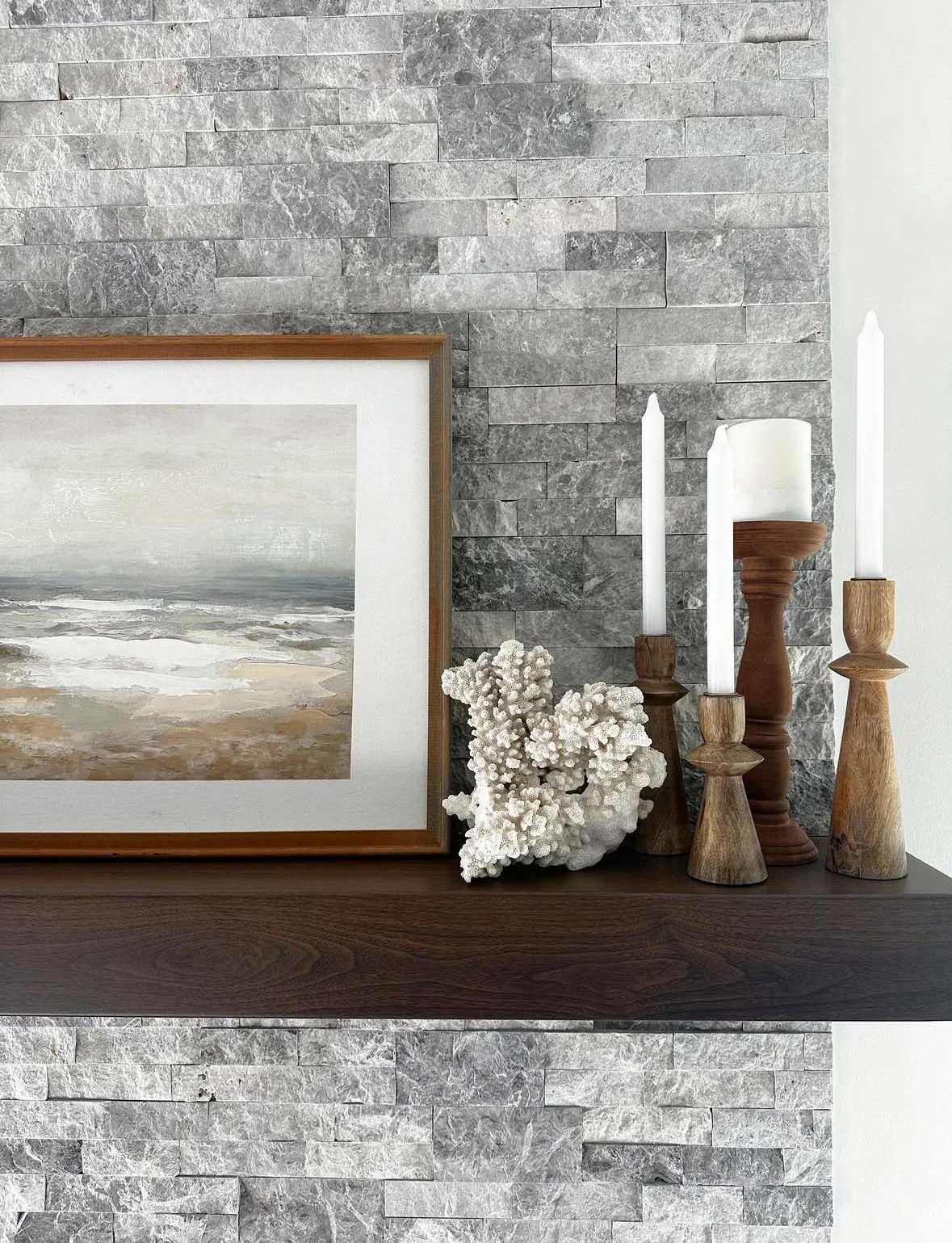
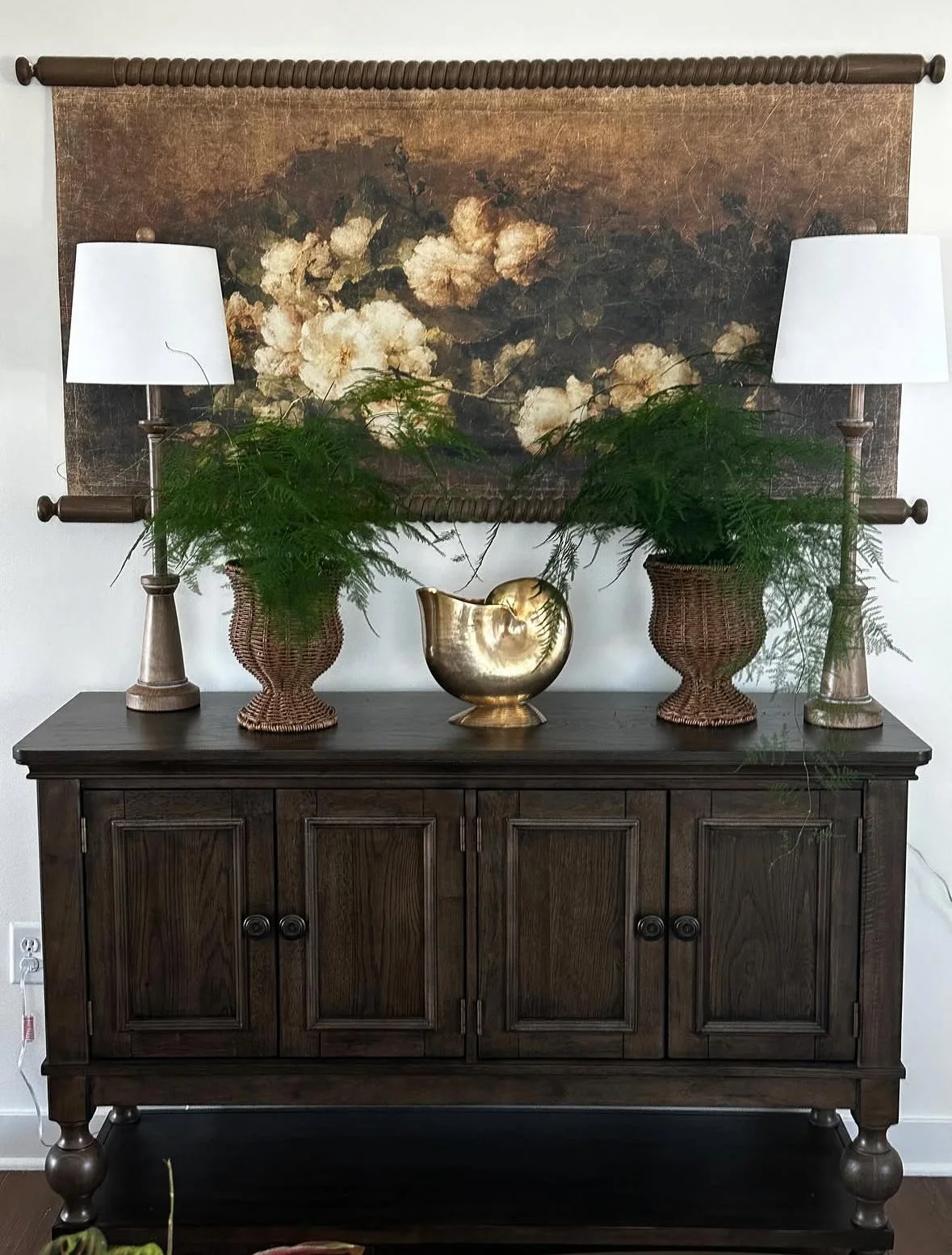
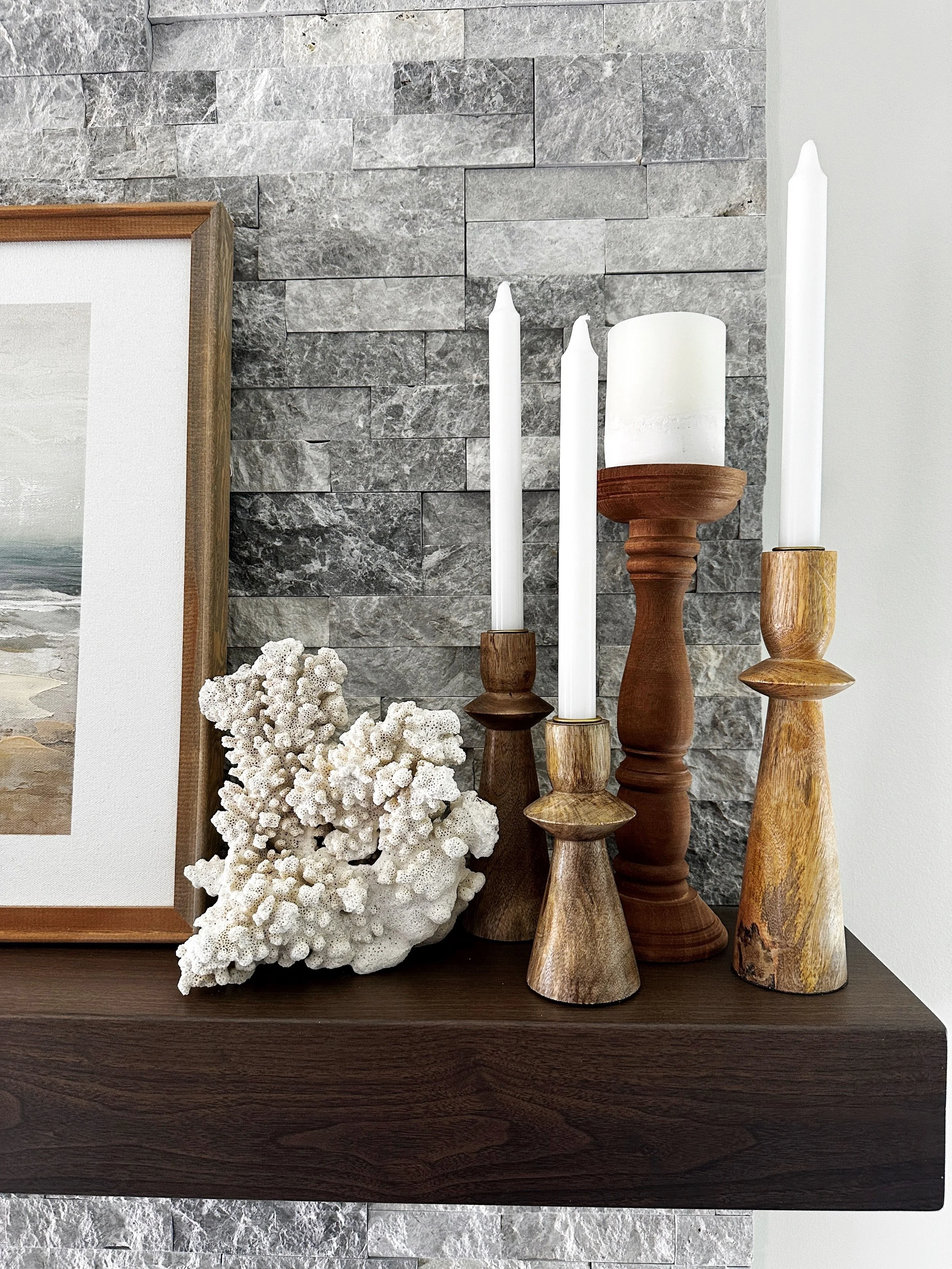
You don’t need to ban seashells—but you do need to curate them. Instead of bowls of shells everywhere, starfish on every surface and/or anchors (please, no anchors), try—
One simple glass jar with a few meaningful shells
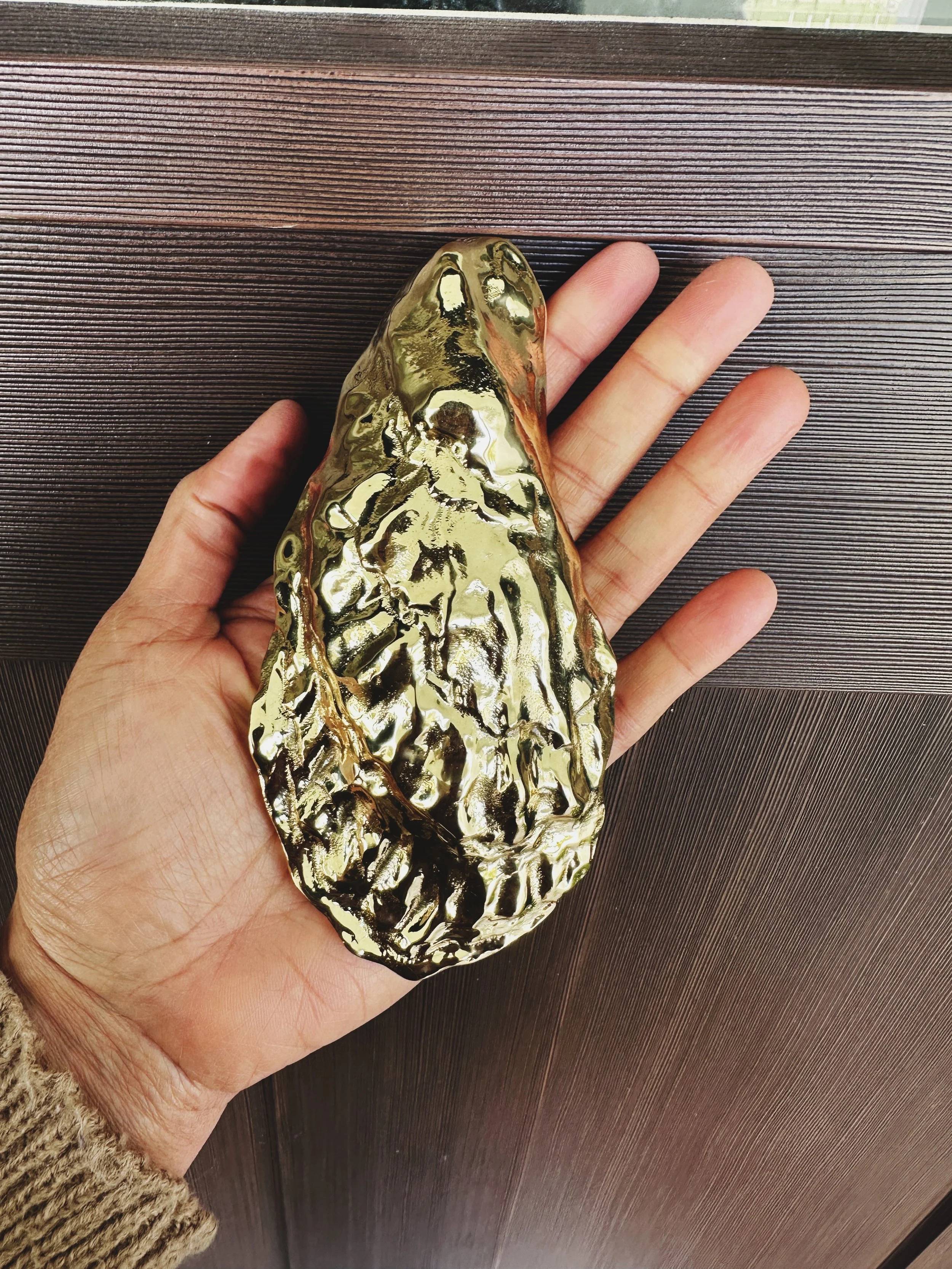
A single coral sculpture
Driftwood as a natural accent
Think collected, not decorated.
Let Light Do the Work
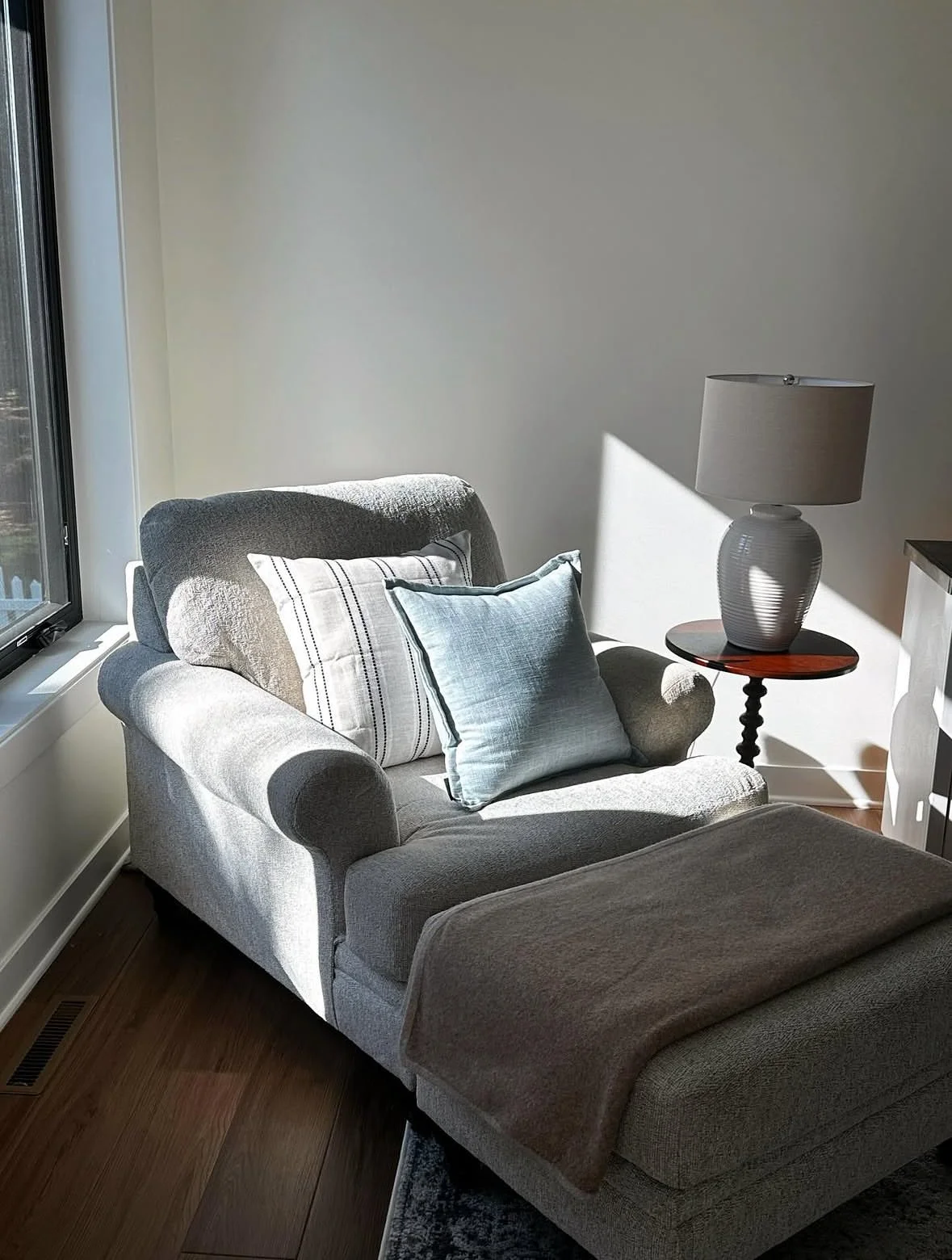
Coastal spaces feel open and breathable because they maximize natural light.
Use sheer or lightweight curtains
Avoid heavy window treatments
Keep furniture from blocking windows
Add mirrors to reflect light around the room
If your space lacks natural light, use warm, soft lighting to mimic that glow.
Choose Art That Suggests, Not Shouts
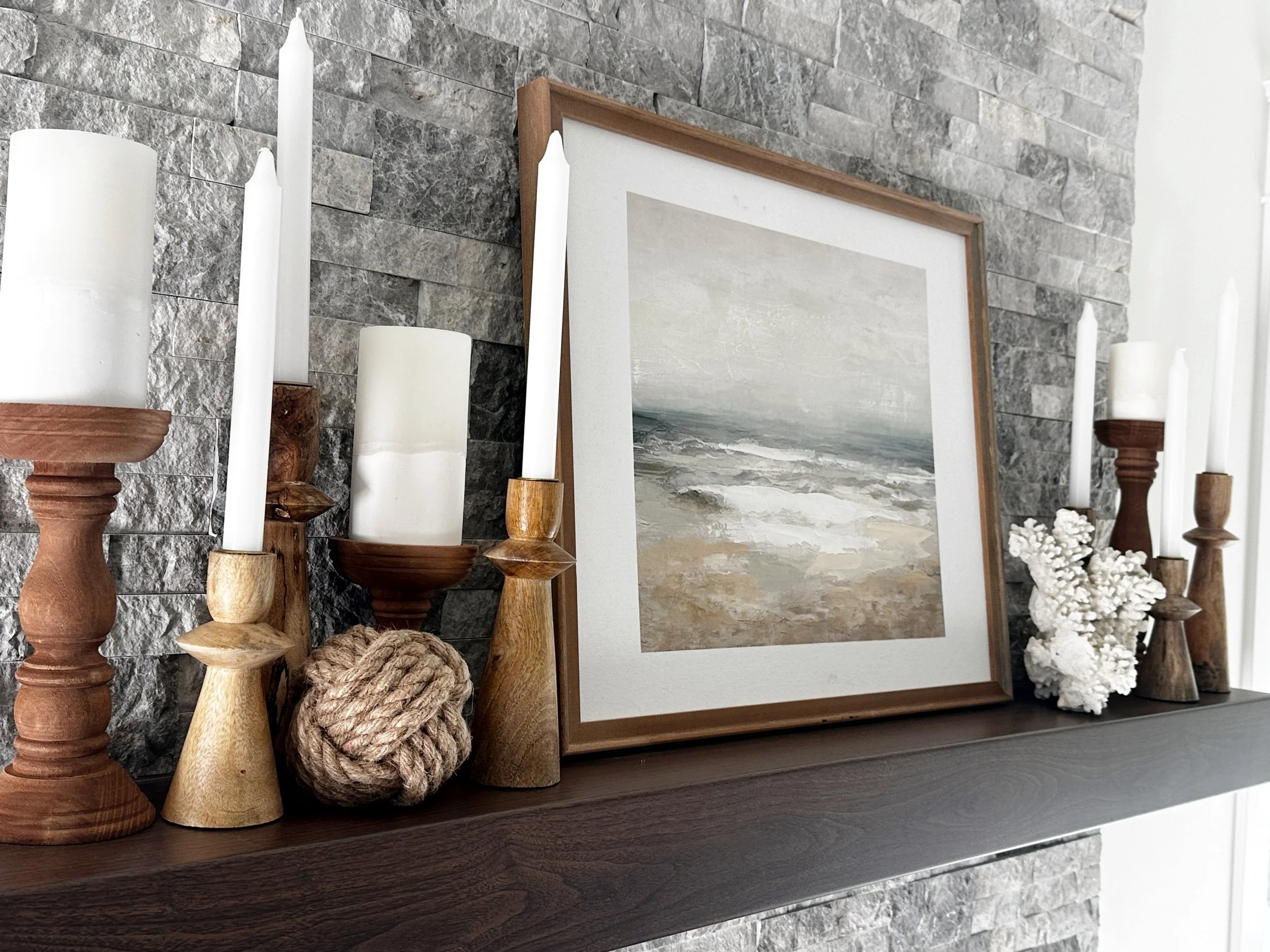
Skip the obvious “BEACH” signs and literal ocean prints. Instead, look for:
Abstract art in coastal colors
Landscape photography with subtle shoreline hints
Textured wall hangings or woven pieces
The goal is to suggest the coast, not label it.
Keep Furniture Comfortable and Livable
Coastal style leans relaxed, not rigid. Think slipcovered sofas, slightly oversized seating and pieces that invite you to put your feet up. Nothing should feel too precious. If you’re worried about messing it up, it’s probably not coastal.
Bring in Greenery (But Keep It Simple)
Plants add life and freshness, which is essential to this look. Stick with:
Olive trees
Snake plants
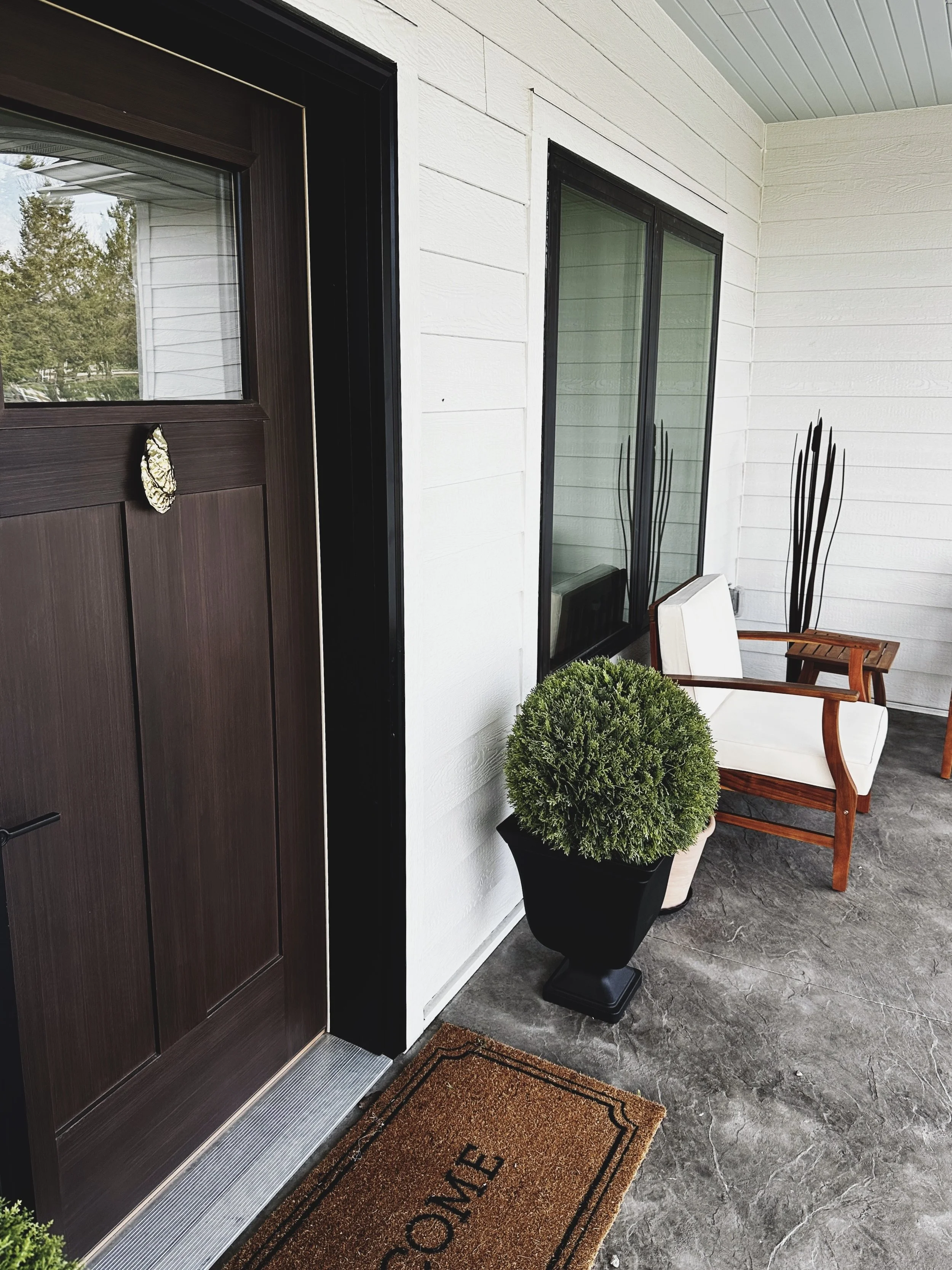
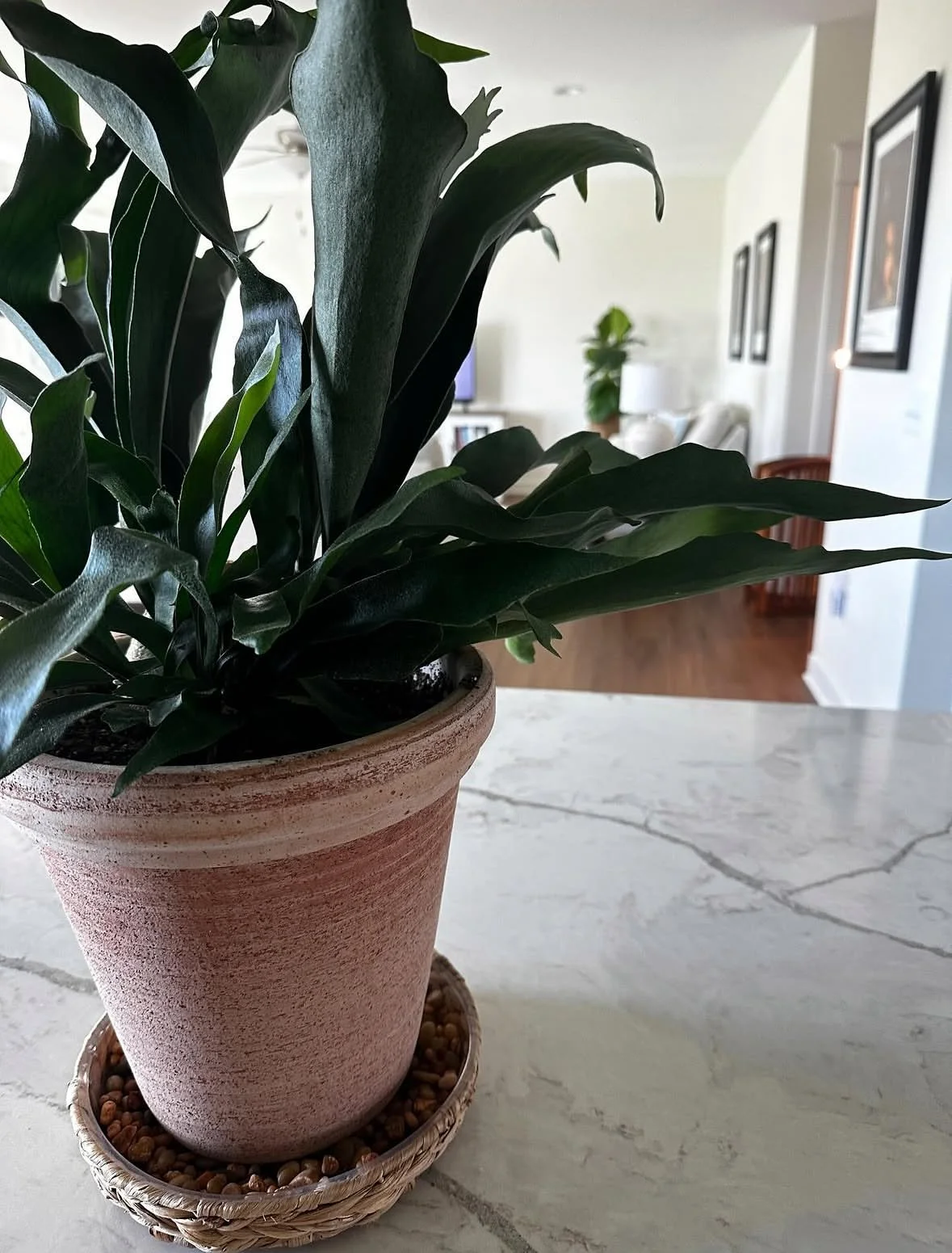
Simple leafy greens in neutral pots
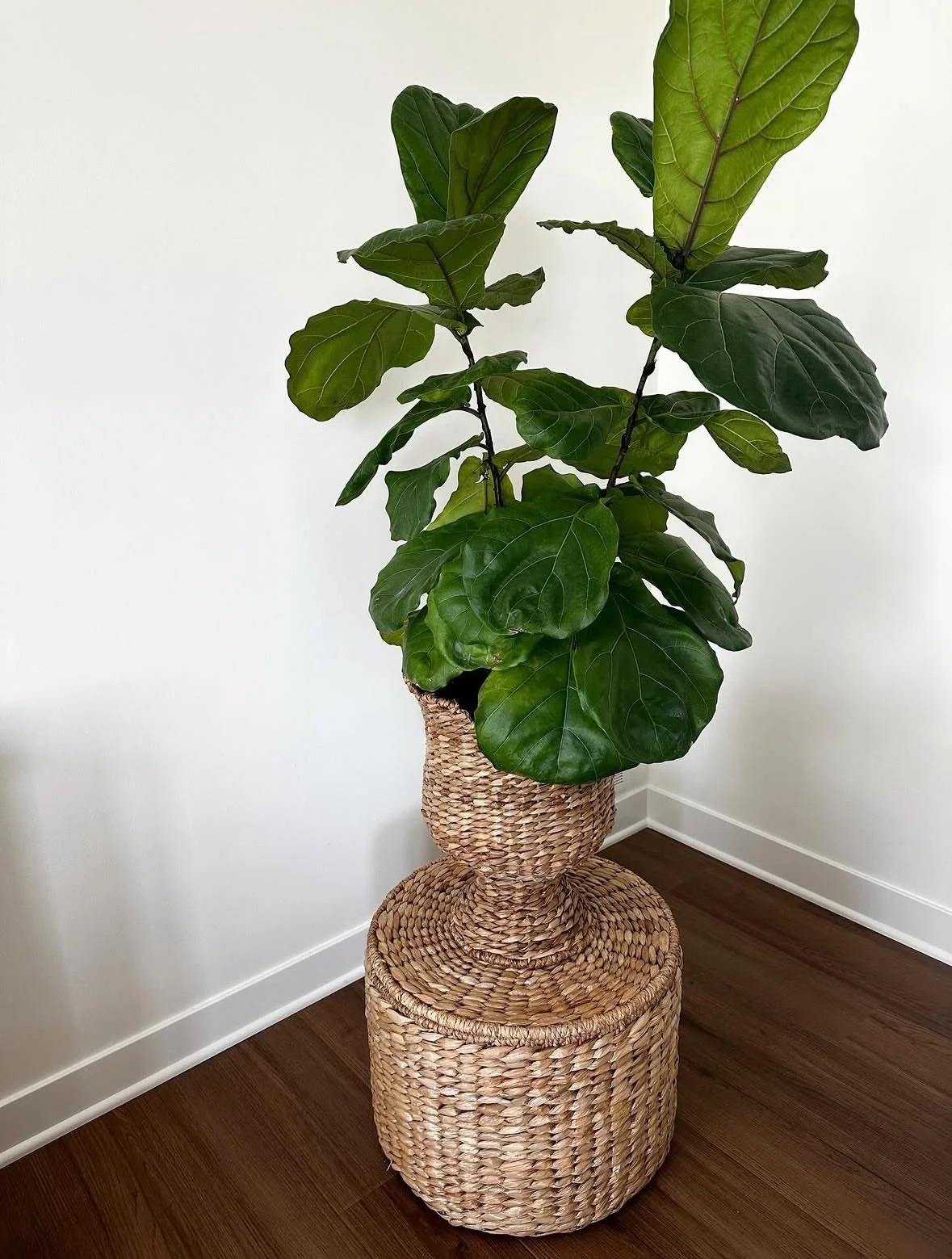
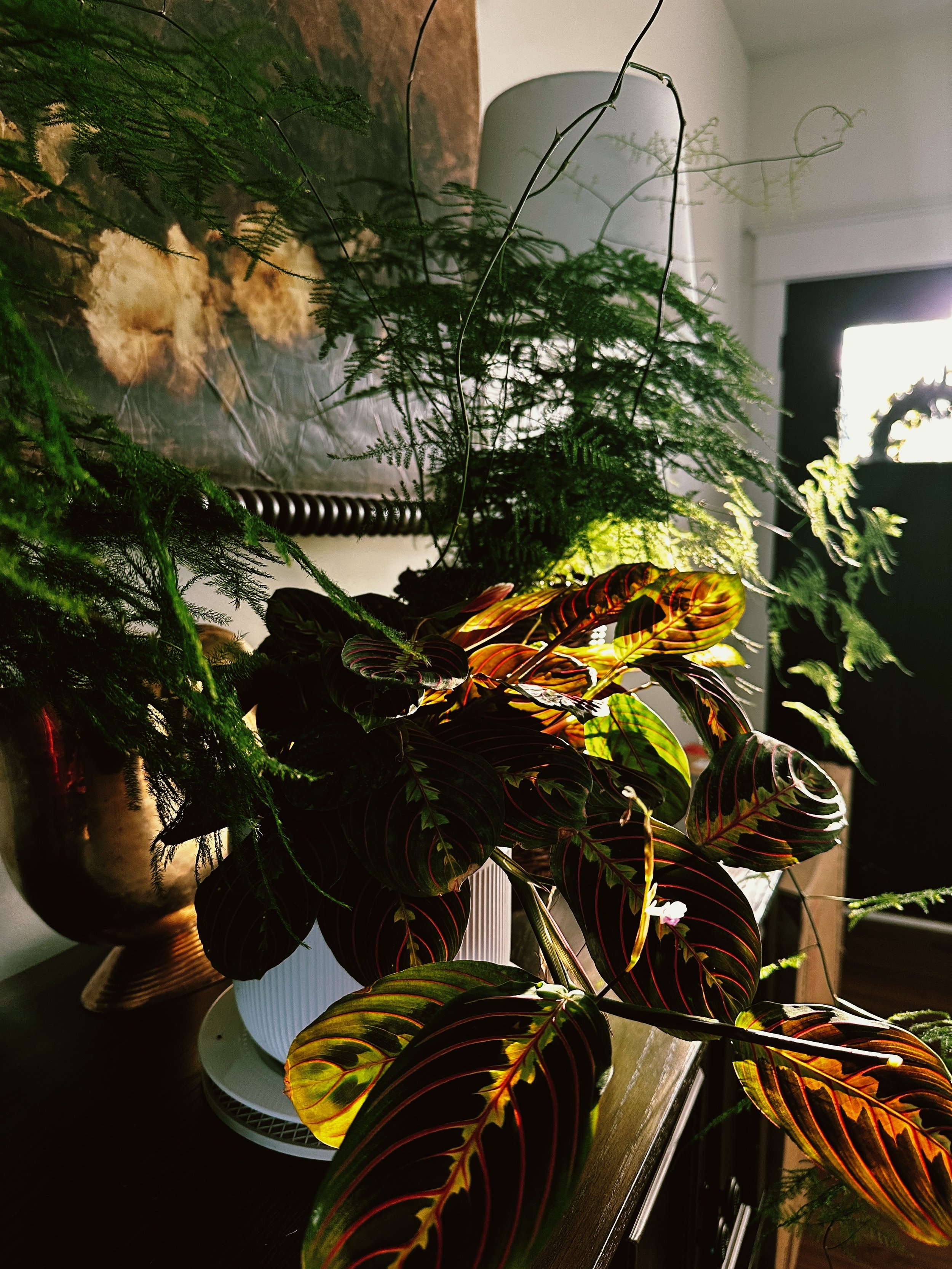
Avoid overly tropical arrangements unless that’s specifically the vibe you want.
Use Color Sparingly for Impact
A coastal palette doesn’t mean everything has to be blue. Instead:
Keep most of the room neutral
Add a few blue or sea-glass accents
Layer in soft contrast through textiles
This keeps the space feeling sophisticated instead of themed.
Leave Space to Breathe
One of the biggest mistakes? Over-decorating. Coastal homes feel peaceful because they aren’t crowded. Give your furniture and décor room to exist without filling every corner. Empty space isn’t unfinished—it’s intentional.
Final Thought
A true coastal vibe isn’t about recreating the beach—it’s about capturing its calm. When you focus on light, texture, and simplicity, you create a space that feels grounded, relaxed, and timeless. And the best part? You won’t feel like you need to hide a ceramic lighthouse every time someone comes over.
Wonderful link-ups I enjoy—
Mondays - Sweet Tea & Friends, Hearth & Soul Community, You Are The Star, Love Your Creativity Link-Party // Tuesdays- Tuesday Turn About, Nature Notes // Wednesdays- Karin’s Kottage , Wonderful Wednesday Blog Hop, Homestead Blog Hop, Happiness is Homemade // Thursdays-Thursday Favorite Things Tablescape Thursday // Fridays- Farmhouse Fridays, Five Minute Friday Crazy Little Lovebirds, A Morning Cup of Joe, Saturday Sparks Link Party, Happiness is Homemade // Tea on Tuesdays (3rd Tuesday of the Month), Create, Bake, Grow & Gather Party