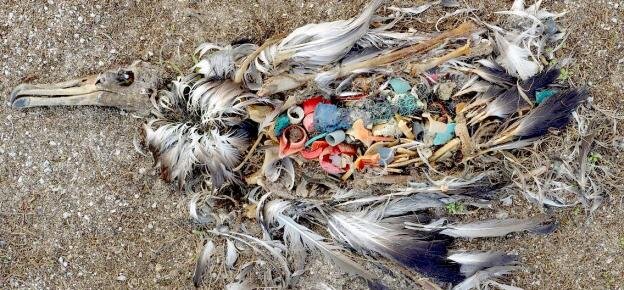
Ocean. Environment. Plastic Pollution. These are buzzwords that make many people roll their eyes. And it is not surprising, considering the conflicting information we get from the media and the scientific community. For a long time, I was a bit skeptical about climate change, which is odd considering that I am a woman who considers nature her “happy place.” However, about 6 years ago I started to be intentional about the environment— from protecting public lands to climate change. But it was not until three years ago that the topic of ‘plastic pollution’ showed up on my radar.
Plastic pollution is defined as the accumulation of plastic objects and particles (e.g. plastic bottles, bags, and microbeads) in the Earth's environment that adversely affects wildlife, their habitat, and humans. Plastics that act as pollutants are categorized into micro-, meso-, or macro debris, based on size. Plastics are inexpensive and durable, and as a result levels of plastic production by humans are high. However, the chemical structure of most plastics renders them resistant to many natural processes of degradation and as a result they are slow to degrade and some do not degrade at all. Plastic pollution can afflict land, waterways and oceans. It is estimated that 1.1 to 8.8 million tons of plastic waste enters the ocean from coastal communities each year. Living organisms, particularly marine animals, can be harmed either by mechanical effects, such as entanglement in plastic objects, problems related to ingestion of plastic waste, or through exposure to chemicals within plastics that interfere with their physiology. Effects on humans include disruption of various hormonal mechanisms (Source).
Reading the definition and the effects of plastic pollution can leave most people thinking “That is terrible.” But that is where it stops for many. I have not been a hardcore advocate for climate change, and creating change to affect positive impact against ocean pollution. I think part of that is because I had not experienced the full effect of the problems that ocean pollution is causing. Also, it can be “out of sight, out of mind” when the problem is not in our backyards. I live in the Midwest, but I have a connection to the ocean, having been born and raised on an island. But when there is a disconnection because of lack of awareness, documentaries can fill in that gap.
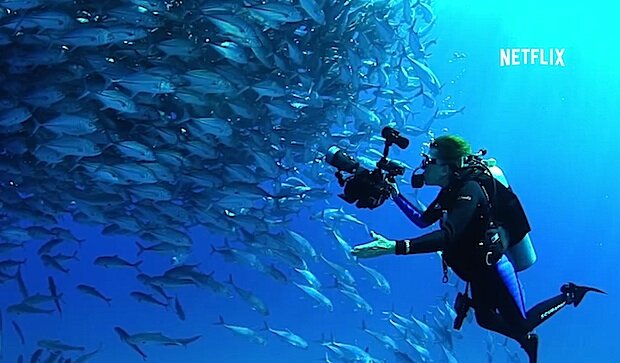
One of the silver linings of the COVID-19 stay-at-home order is that it has allowed me to catch up on my Netflix and Amazon Prime time. :) I have watched very good documentaries about climate change and ocean pollution, but last week I watched three (3) documentary films that I think are some of the best at driving the point that at the end of the day, as the “advanced species” in this planet, this is a problem we humans created and we need to fix it, or we will be drowning in a sea of plastic for millennia to come. These are the amazing films about ocean pollution that everyone must watch:
CHASING CORAL