

‘Welcome to the Jungle’ by Guns n Roses is the first thing that came to mind when I stepped into what used to be my garden, this week.
Let me start by admitting something: I didn’t garden this year. Not a single tomato. Not one row of lettuce. I planted some potted herbs that ended up dried, now even the mint survived the chaos.
Why? Because we were building a house. A whole house. And if you've ever done that, you know it swallows your entire life for a while. Between design decisions, construction priorities, and living at my mother-in-laws, and working remote, the garden took a back seat — okay, it was kicked out of the car altogether. I planted some pots at my mother-in-law’s house where we have been staying this year, but with so much to do, I lost sight of them.
Now that our house is mostly done, I ventured into the backyard and was immediately overwhelmed. What was once a lovingly tended space is now... well, let’s just say the weeds have claimed it like ancient ruins. Raised beds are overflowing — not with produce, but with wild grasses, vines, and mystery plants that seem to be auditioning for a horror movie.
HERE IS THE BEFORE…
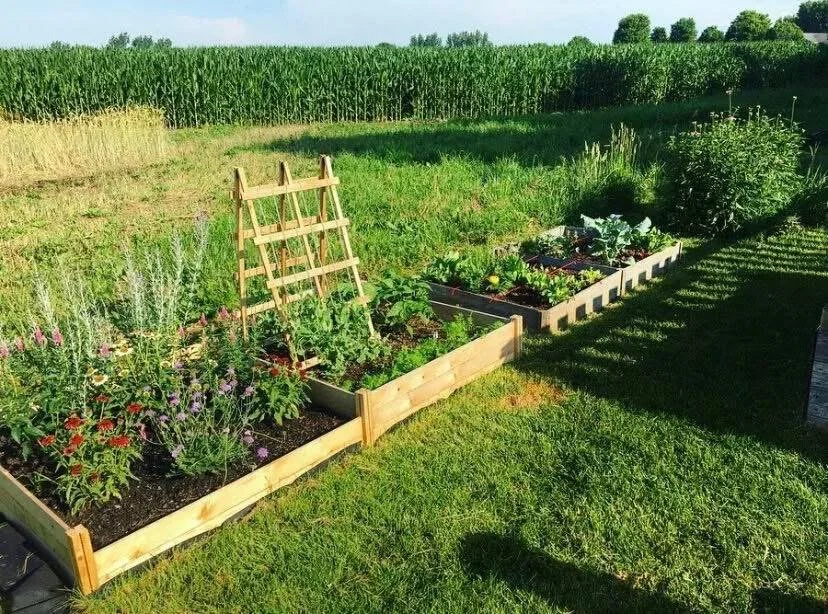

AND THE AFTER (MAJOR CRINGE!)
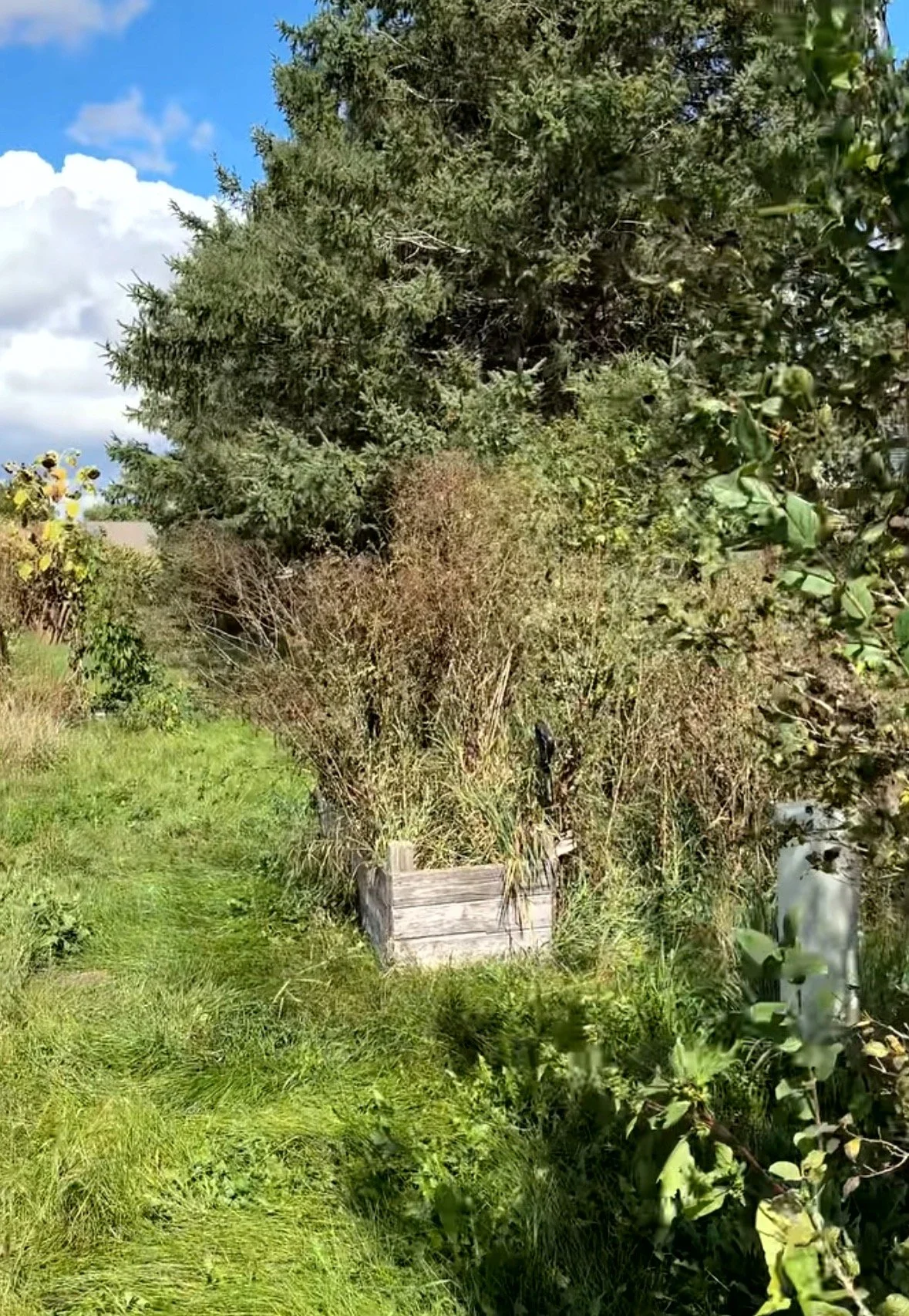
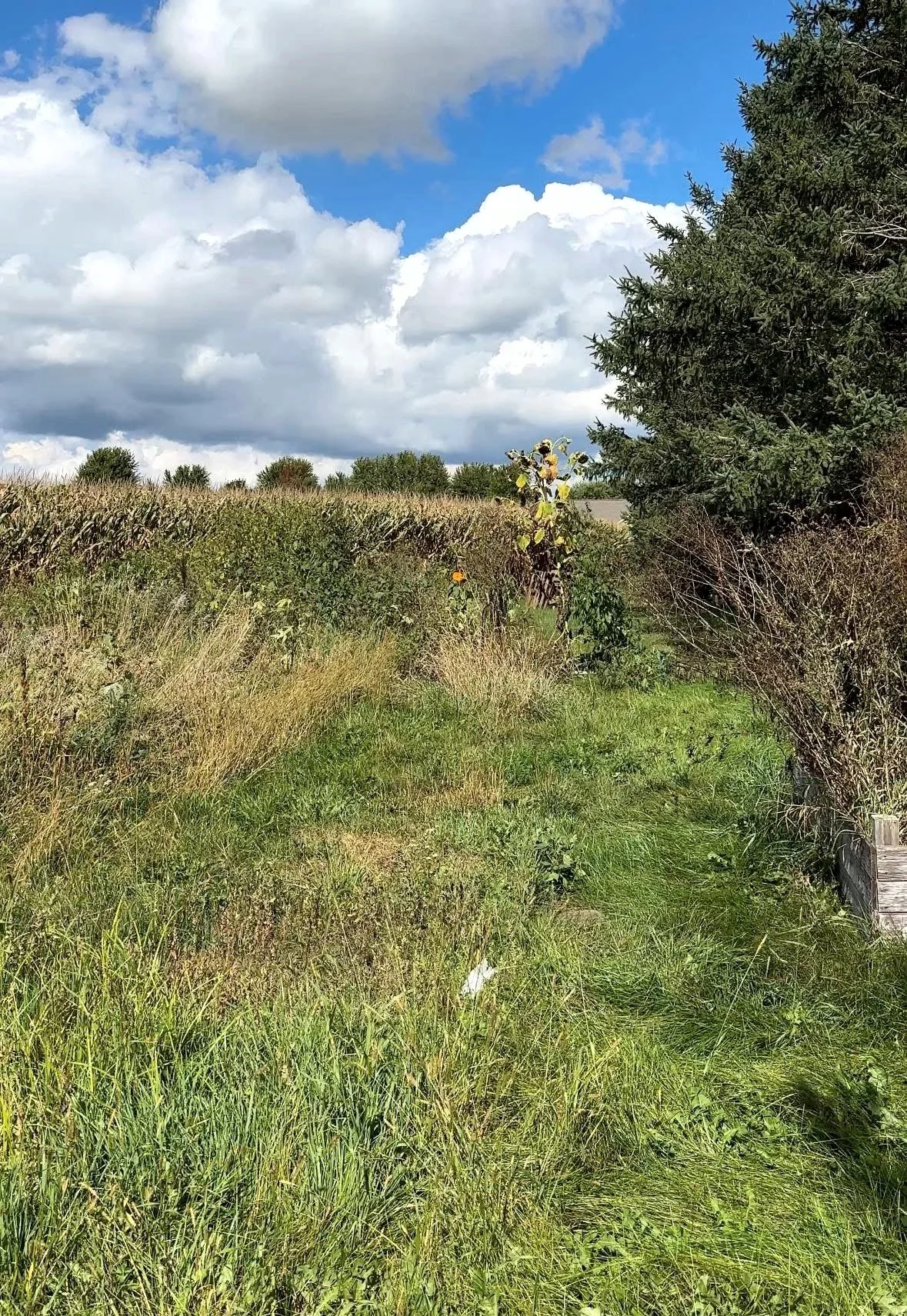
But fall is here. The evenings are crisp, the leaves are turning, and I’m feeling that familiar urge to reconnect with my garden. To tame it before winter comes and we move into the house. The good news? Fall is actually the perfect time to reset your garden — especially when things have gotten out of hand.
Here’s how I’m tackling my neglected garden and preparing it for winter — and how you can too, if your garden fell off the radar this year.
Start with a Garden Triage Walk
Before you grab the shovel, take a slow walk around your space. What’s still usable? Are your raised beds intact? Are any perennials surviving under the mess? Any invasive plants or volunteer trees trying to move in? Make a note of:
What can stay
What absolutely needs to go
Where you might want to make changes in layout or design (especially now that the house is done and your lifestyle might be shifting)
I discovered my scaniosa is somehow thriving under the weeds — a happy surprise. But I also found a sapling growing in the middle of a bed. Not so happy.
Clear the Chaos (But Don’t Stress Perfection)
Forget trying to make it Instagram-worthy. Your goal is to reclaim the space and get it prepped for a restful winter, not to make it look like a summer issue of Better Homes & Gardens. Do this in waves:
Cut down weeds and grasses (string trimmers are your best friend here)
Pull out annuals and anything obviously dead
Chop and drop: Some weeds can be cut down and left to compost in place if they haven’t gone to seed
Remove invasives: Be ruthless here — if it’s aggressive and spreading, get it out before it overwinters
I gave myself permission to work just a few hours at a time. Small wins, no burnout.
Repair and Reassess the Beds
Now that you can see your beds again, check for:
Rotting wood
Soil erosion
Drainage issues (especially if construction changed the landscape)
Need for replenishment (top up with compost or leaf mulch)
If a bed is too far gone or in the wrong spot now due to house layout changes, don't be afraid to retire it. Gardens evolve, and yours just went through a major life event (just like you did).
Plant a Little (Or Not at All)
Even if this wasn’t your gardening year, you can still plant a few things:
Garlic: Goes in now and will be ready by summer
Cover crops: Like winter rye, crimson clover, or hairy vetch to enrich your soil
Spring bulbs: Not edible, but nothing beats daffodils after a long winter
But honestly? If you’re exhausted from the year (or the house build), it’s okay to do nothing but clear and cover. Rest is a part of the garden cycle too.
Mulch, Mulch, Mulch
Once you’ve cleared and decided what’s staying:
Layer on mulch (chopped leaves, straw, compost, or even cardboard)
This protects soil from erosion, keeps weed seeds from germinating, and gives your garden a jumpstart for spring
Dream, Don’t Just Do
Fall is for planning. Now that you’re settling into your new home, think about how your garden space can work with your lifestyle going forward. Do you want:
A low-maintenance perennial garden?
More herbs and kitchen garden space?
A pollinator-friendly wildflower zone?
Take photos, make sketches, pin ideas. Let your imagination go a little wild — the good kind this time.
Final Thought: A Neglected Garden Is Not a Failed Garden
Life happens. Houses get built. Chaos takes over. But here’s the beautiful thing about gardens — they’re forgiving. Give them a little attention, a little love, and a good fall cleanup, and they’ll be ready to welcome you back come spring.
You don’t need to do it all now. Just reclaim the space, prepare for rest, and trust that growth will come again — for your garden and for you.
Got a wild garden story or fall prep tip? Share it in the comments! I’d love to hear how you’re handling your own back-to-the-earth moments.
Mondays - Sweet Tea & Friends, Hearth & Soul Community, You Are The Star, Love Your Creativity Link-Party // Tuesdays- Tuesday Turn About, Nature Notes // Wednesdays- Let’s Have Coffee, Wonderful Wednesday Blog Hop,Homestead Blog Hop, Happiness is Homemade // Thursdays-Thursday Favorite Things // Fridays- Farmhouse Fridays, Five Minute Friday Crazy Little Lovebirds// Weekly Run Down with Kim at Running on the Fly // Foodies Read at Based on a True Story (monthly) // Cook the Books Club (bi-monthly)