2020 Trail Running Lessons Learned & Hopeful About 2021

Happy New Year! Well, we made it to 2021!

Well, before May 2020, my running was was rather haphazard— just going out there and running. But truly, I was not disciplined about following a plan. I was going out there and doing my zen thing. I did not even use a GPS watch to check my time and distance. Then March happened…

In March, we were told that we would work from home temporarily until further notice. I already had the option of working from home twice a week, and I knew I did not like that. I need an office setting to be productive. Still I made the best of it. Then April happened…

Mid-April we were told that due to the financial impact of COVID, my company would have to take “drastic staffing actions” to ensure the place remained open. I work in HR so I knew what this meant, and by the third week of April, I found myself on a temporary furlough from May-August. I am fortunate that we are in a financial position where this furlough did not have a terrible impact. 'Still, it was odd to not be working and so I turned my mind to something I always wanted to do— train as a runner fulltime. But not just running, I wanted to really focus more on trail running, which I started doing leisurely in 2019.

Run Flat, Stay Low is what the body needs sometimes.

Run Flat, Stay Low is what the body needs sometimes.

The view from the top.

The view from the top.

That nauseous feeling after pushing hard up hill.

That nauseous feeling after pushing hard up hill.

With my best trail buddy, Riley.

With my best trail buddy, Riley.

The day I realized my injury was more serious than just soreness…
The day I realized my injury was more serious than just soreness…

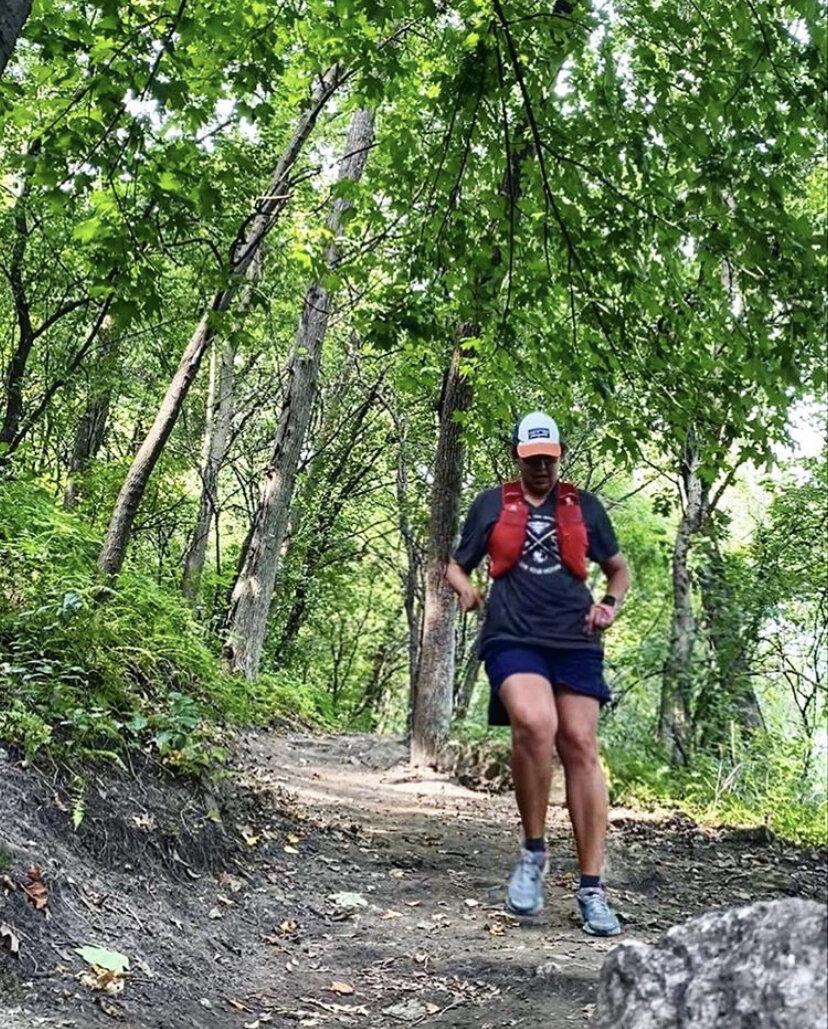
Quick small steps running down….

Quick small steps running down….

Running atop Sugarloaf Trail

Running atop Sugarloaf Trail

Look at this belt buckle. I just love it! Do you wear belt buckle medals?

Look at this belt buckle. I just love it! Do you wear belt buckle medals?

At the top of Whitewater State park’s Coyote Trail.

At the top of Whitewater State park’s Coyote Trail.

On the way back from King’s Bluff Trail.

On the way back from King’s Bluff Trail.

And so, with this goal in mind, I hired a coach and a nutritionist, and while I was nervous because I am not a spring chicken, I was sooooooo excited! I knew I needed a structured training plan to get to the peak performance I wanted to, so I dove in head first. The following are some lessons learned during my running journey in the last half of 2020.

  • Time vs Distance. Right of the bat, the biggest adjustment was that my training runs were not set to a predetermined distances to run, but to a specific time. For example: Run 45 mins at 5/6 RPE. It took a while to get used to that, but when you think about it, it completely makes sense in trail running as the running up and down uneven terrain adds time to your normal mileage.

  • Technique is Key to Not Breaking Your Neck. Trail running is not as straight forward as running on the road, and learning what techniques worked for me on the trails was interesting. Because of the variety of the terrain— from flats to rugged technical trails— your body has to become sort of like an all-terrain vehicle that can handle any situation on the trails. And that even includes how your foot lands. For example: on the road, I am a mid-foot striker but on the trail I am more flat footed, but it works for me. Believe it or not, at 6’1” I have a difference center of gravity than a short runner, and not only the flat footed technique is comfortable for me, but also stabilizes me better. There are additional techniques for running uphill and downhill, but that is for another story.

  • Find A Challenge to Keep You Focused. Once I started training, I realized that I needed a challenge to keep me motivated. Training for the sake of training is just not fun (who have I become?!). Because of all the race cancellations, I could not sign up for anything and I do not have the mental capacity to do some long virtual run… or so I thought. Enter the Bigfoot Elusive 100K Virtual Challenge. First, let me start by saying that I did not do this challenge in one day. Participants had from August 1, 2020 and ends September 30, 2020 to finish the challenge. Based on my weekly mileage at the time, I knew I would have to almost double my mileage per week, which I was on my way to do. And so I signed up and finished the damn thing. It was fun and challenging, plus I got a fun belt buckle. The only hiccup for me was that, while I finished in time, it took me longer than I planned for because… see next item.

  • Injuries Happen, So Pay Attention to Your Body. The Friday before Labor Day, I went hiking up Sugarloaf Trail in Winona, MN. Lengthwise, it is not a long trail, but it is a steep incline all the way up and then down. On the way down, I started having this discomfort in my right groin area but was not really pain. But I thought it was just soreness from how inclined it was. I did not pay attention to it. Do you know what happened? I made it worse.

    Fast forward to Labor Day a few days later. I went to the same trail and running downhill, I tripped on a root. I did not fall, but when I tripped, my hip/groin. quad area hyper-extended and the pain was so much that it took my breath away. I shook it off and was ok, but could not run. I rested a few days, and tried running. It was painful at first but then it would get better. I went like this for a month, until one day, the pain was not getting batter after a mile, and then I just knew in my gut there was something else. And there was. A doc diagnosed me with a rectus femoris (quad) strain. The doc think I strained my groin but when I went back and tripped a few days later, I made it worse. That took almost two months of rest. The recovery has been sucky because I’m stubborn and wanted to be back in the condition I was pre-injury fast. Then I was berating myself for not being more careful. But really, it is trail running. So yes— injuries will happen. And when they do, it is important to listen to your body and pay attention to them.

  • Trail Running Is Like Life, So Enjoy the View at the Top. If there is a sport that, to me, represents life, it is trail running. You will have ups and downs. You will have times when everything seems flat and muddy, and you will slip— but you get up and keep going. When you will face obstacles and you will think that you cannot do it, but the mind says “Oh, yes you can” and you rise above those obstacles. It is hard and not pretty, but by golly— when you get to the top and see all that you went through to the get there, it is pretty damn amazing. And the view is even sweeter. It makes it all worth it.

Everything that I learned this year, has not only made me a better runner, but more importantly, it strengthened my character. It also made me more competitive with myself. :) Which is why I am so looking to the 2021 season and my first trail running races. It has been hard to find open races in 2021 because many of them are waiting to see how the situation develops. But right now, I signed up for my first 2021 race— the Bryce Canyon 30K in May, and I am super geeked out. Looking at a couple of other races before that, but for now, this is my first big race. I am hopeful that things will improve in 2021 and there will be a semblance of normalcy returning to our lives.

Any particular races you are looking forward to? Have you signed up for any races yet? Phew— I was just so over 2020 that I went to bed early. Did you do anything fun to celebrate the new year?


Garden Year in Review: The Quarantine Garden

2020 was a year of highs and lows. While I was temporarily furloughed during the summer, it allowed me time to focus on things that I love like gardening and my trail running training. If you are a garden lover you can imagine my excitement at the prospect of dedicating unlimited time to my gardening without having to focus on work. :) And so I dove head first into it and had a marvelous time! Below, I share images and summaries of my little garden, and I divided it by sections: the potted rose garden, the little cottage garden, and the kitchen garden, as well as some rookie mistakes I made and one of the “hobbies” I took during quarantine— the houseplant “crazy plant lady” syndrome. This is a fairly long post, but it was much for you, as it was for me to also journal all the work that is put into a garden. I hope you enjoy it!


The Potted Rose Garden

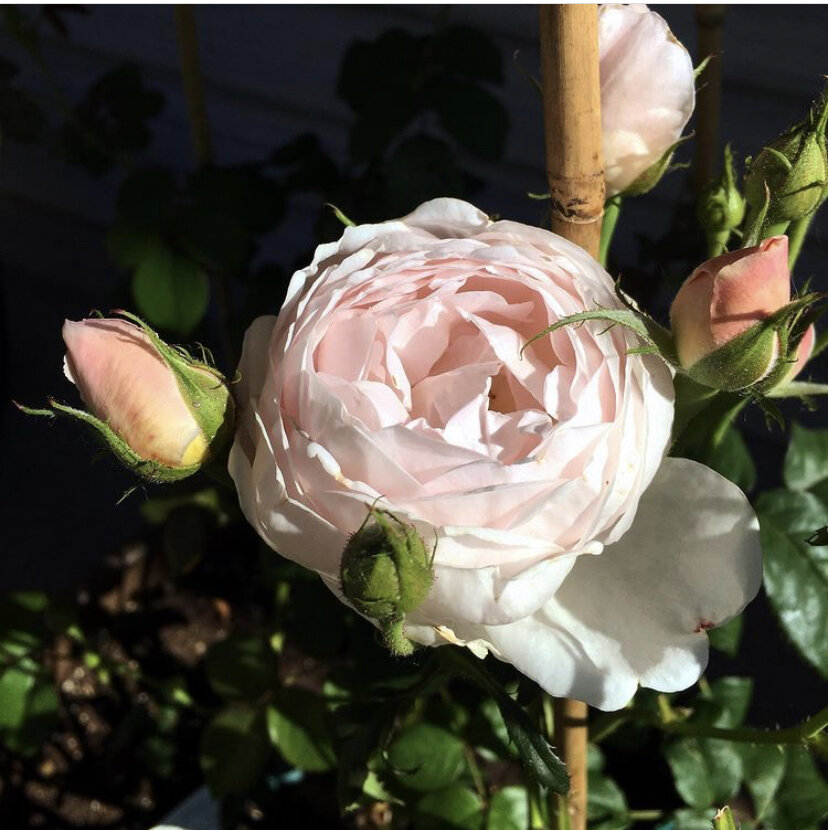
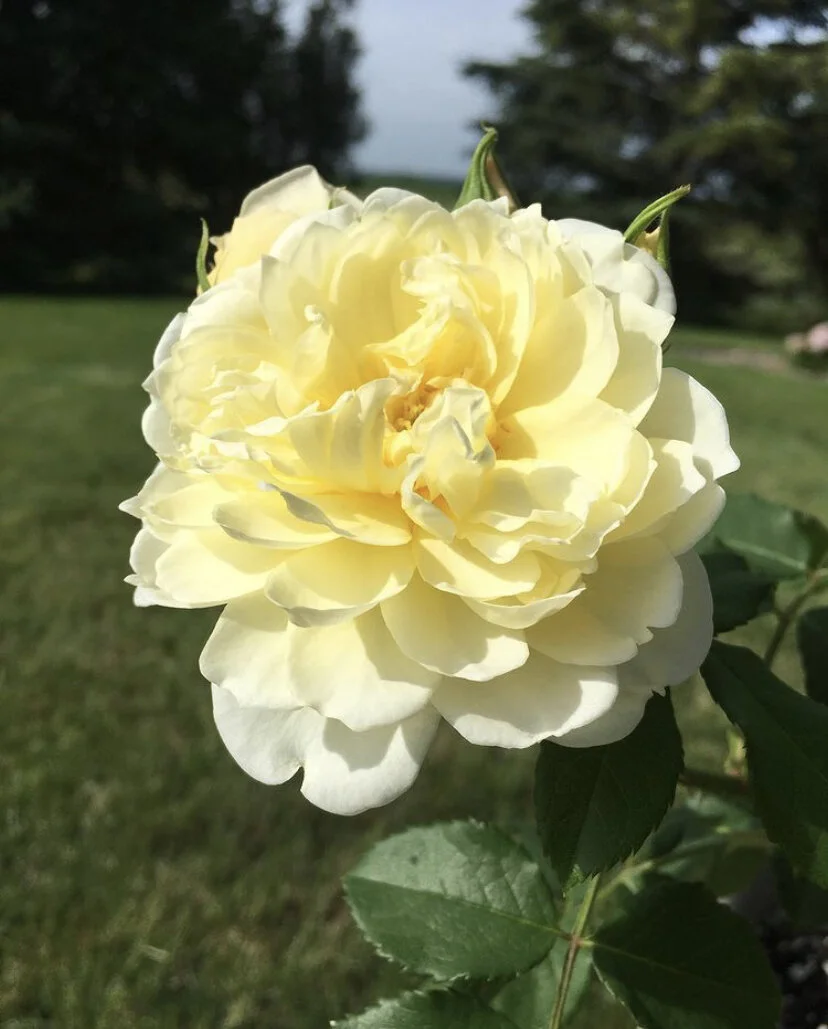
One of the things I knew before the craziness of 2020 started, was that this would be the year of roses for me. For the past three year I dabbled with a couple of David Austin roses and I fell head-over-heels for them. And at the end of the 2019 growing season I ordered five (5) new rose varieties: Heathcliff, Emily Bronte, Wedgwood, Alwick (this was a replacement from a failed one), and Roald Dahl. I also grew Imogen, which was sent to me by mistake, but the good folks at David Austin told me to keep it instead of sending back.

I grow my roses in pots because being in zone 4B with winters where the temperature dips into -35F (with windshield factors of -65F) is brutal for roses. So during the winter, I store them in my unheated garage. When the temperatures dip well below freezing, we have extra heaters to keep the temperature cold but not arctic cold. This year, I am not adding any new roses, as we are building a farmhouse well out in the country.

Scepter’d Isle

Scepter’d Isle

Scepter’d Isle

Scepter’d Isle

Scepter’d Isle

Scepter’d Isle

Imogen

Imogen

Imogen

Imogen

Imogen

Imogen

Alnwick

Alnwick

IMG_9746.jpeg
IMG_9733.jpeg
Wedgwood

Wedgwood

Roald Dahl

Roald Dahl

Roald Dahl

Roald Dahl

Emily Bronte

Emily Bronte

Emily Bronte

Emily Bronte

A few rose highlights:

  • Best Scent: Emily Bronte. This rose has the most amazing scent of tea with hints of guava and citrus. The scent also feel modern and reminded me of a delicious Jo Malone scent (don’t ask me why). Honorable mention goes to Wedgewood, with its almost paper-like petals and fruity scent. Every time I walked by these two beauties, I had to stop by and inhale the scent.

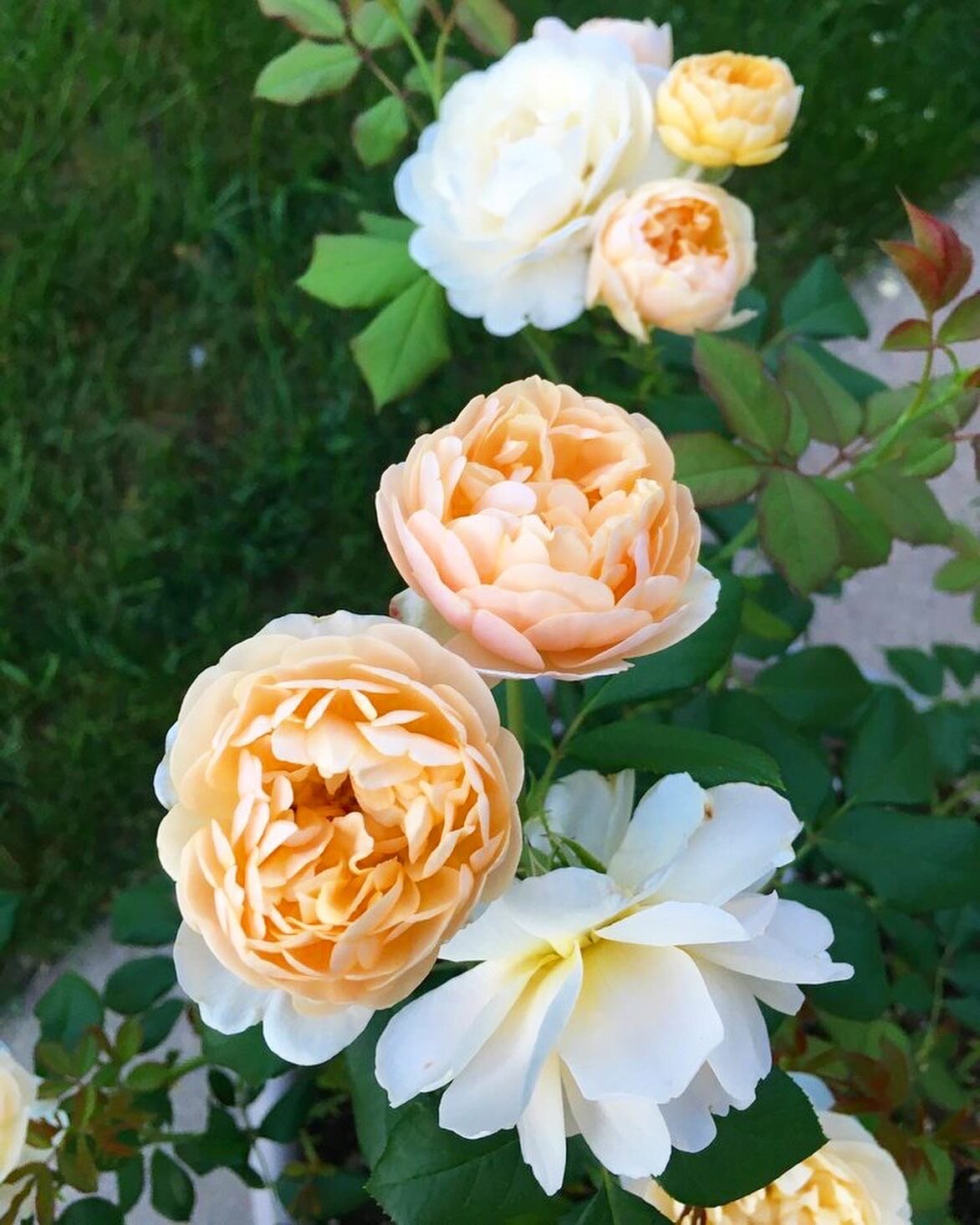
  • Best Flowering: Roald Dahl. This was my first yellow/orange rose. I have never been a fan of this color rose, but Roald Dahl won me over. This rose was a blooming workhorse, blooming well into early November. This is a repeat flowering rose, I got three (3) flushes out of this rose. Honorable mention goes to Imogen. She too had repeat flowerings (three of them).

  • Best Staying Power: Roald Dahl and Emily Bronte. I found these two roses lasted the longest once they bloomed.

  • Shade tolerant: Wedgwood and Emily Bronte. While roses love sun, these two proved that sometimes a rose will do good in partial to full shade. In my case, we had a brutal summer that I think was cooking the poor dears in their plastic pots. Once I moved them to my front porch, where they got only a few hours of sun, they thrived.

  • Disappointment No 1: Claire Austin. If there is a rose that continues to break my heart (and I am honestly done with it) is Claire Austin. The first year it failed to come out of dormancy. The next year, DA sent me a replacement, which bloomed beautifully (even though the flowers did not last long). Then last year, when it came out of dormancy it was ok, but did not make it. It was rather heartbreaking because I love the look and the myrrh scent it has.

  • Disappointment No. 2: Heathcliff. Talk about a disappointment. Again— this one came out of dormancy and them promptly died. I’m baffled because I did exactly as I did with the other four new roses, but this one just did not work out.

  • Biggest surprise. For all my roses, I stick with the David Austin roses food and it has worked great. But this year, after reading much about it, I added seaweed plant food (I used Neptune’s Harvest), and it kicked these beauties into high gear. For the roses I used a foliar application as kelp extracts are said to be 10-15 times more effective when applied to the leaves than when applied to the soil.


The mini Cottage Garden

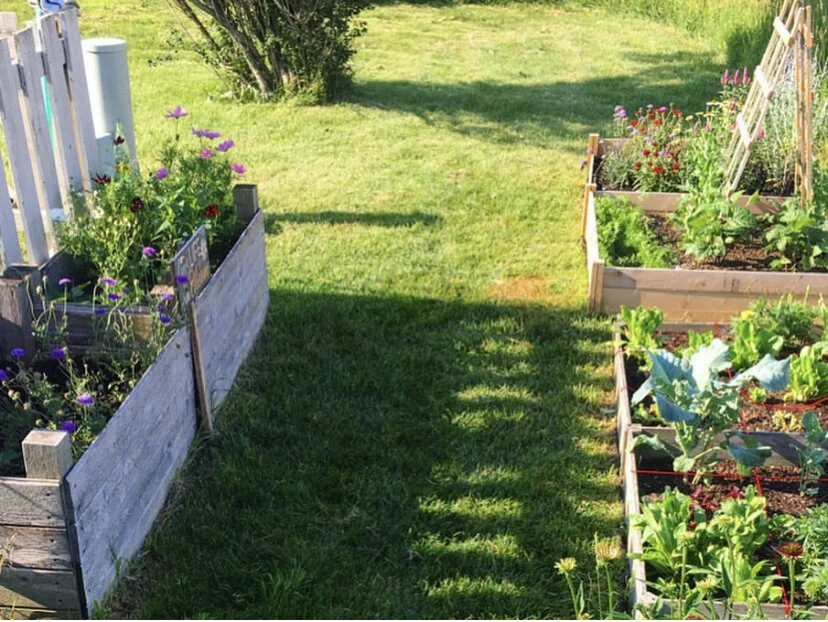
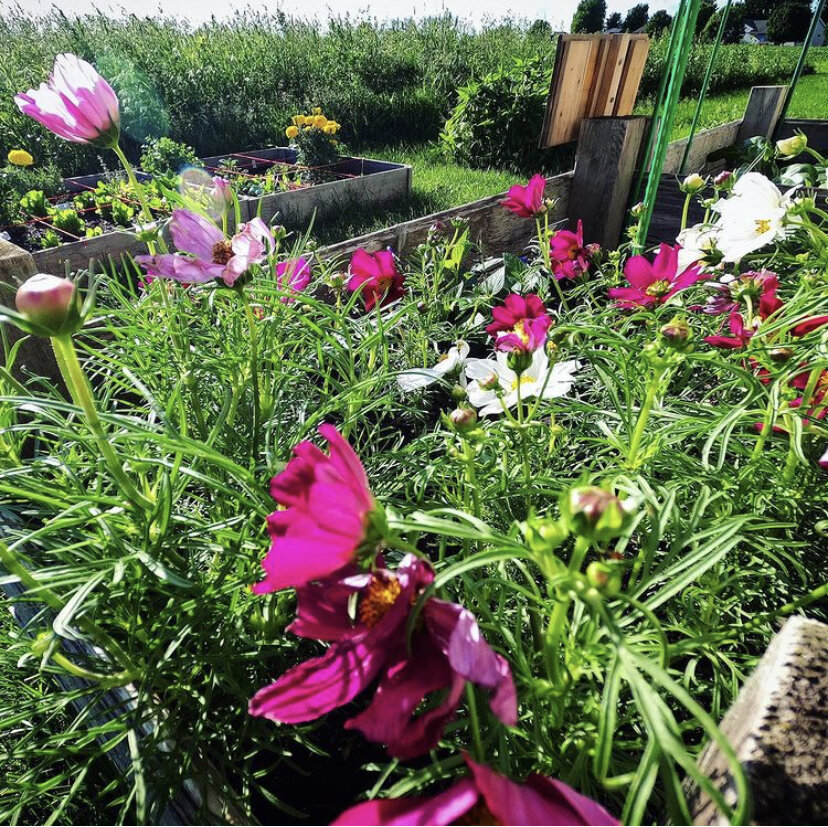
What I call the cottage garden, is in the plot of land I cultivate behind our house (between the yard and the crop fields), and it is in the same area where I have my little kitchen garden. This idea grew out of having an empty space and wanting to attract more pollinators. It was the last area I planted and it turned out to be one of my favorite areas to plant. The area already had that vibe thanks to the profusion of Cosmo already growing, and it seemed like a natural progression.

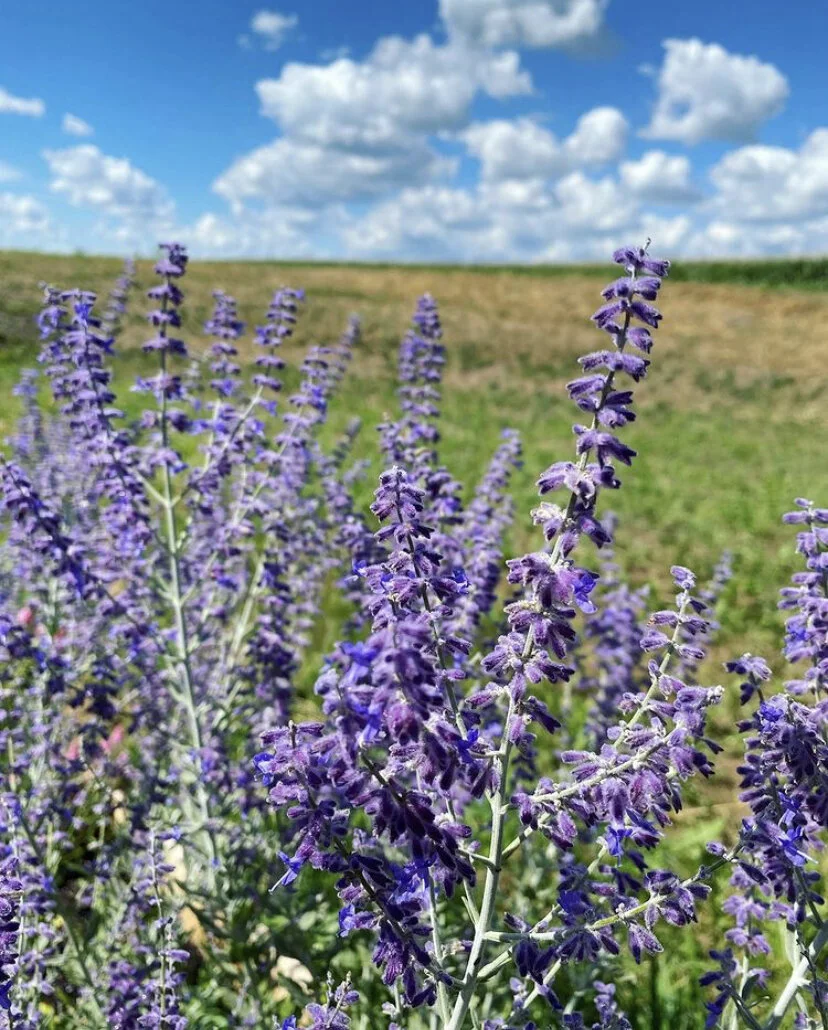
To create that feel, I went with plants that looked informal yet put together. Starting in the back of that garden bed (next to peas trellis) I added (from back to front): Russian sage, Veronica, different varieties of echinacea and scabiosa. Later in the season I filled in the empty spots where you see soil with lemon balm and French thyme. As the summer went along, it filled in beautifully and was a haven for pollinators, especially for black wasps (they are good pollinators) which seemed to love the Veronica. I also grew two new kinds of sunflowers: Teddy Bear and Honey Bee, which were a great hit with bees. As I walked into that little plot area, having the Cosmo on side and the rest of the cottage garden bed on the other, was pure joy and always made me smile. Below, are some images of the flowers planted there.

IMG_9714.jpeg
IMG_9715.jpeg
IMG_9698.jpeg
IMG_9704.jpeg
FullSizeRender.jpeg
FullSizeRender.jpeg
IMG_9709.jpeg
IMG_9734.jpeg
IMG_9710.jpeg
IMG_9738.jpeg
IMG_9756.jpeg
IMG_9721.jpeg
IMG_9752.jpeg
IMG_9750.jpeg

the kitchen garden

I loved the little kitchen garden area which was inspired by the old Victory Gardens in WW2. Why? I planted this portion during the quarantine time when it was just cumbersome to go to the grocery store. I am mostly vegetarian and I found a ridiculous shortage of produce when I would go to the store. It last for only a short period of time, but I noticed it and it got me thinking about food security. This was such a rewarding part of gardening because once it got going, I had produce all the way through the fall. Note: most of these photos were taken at the beginning of the growing season.

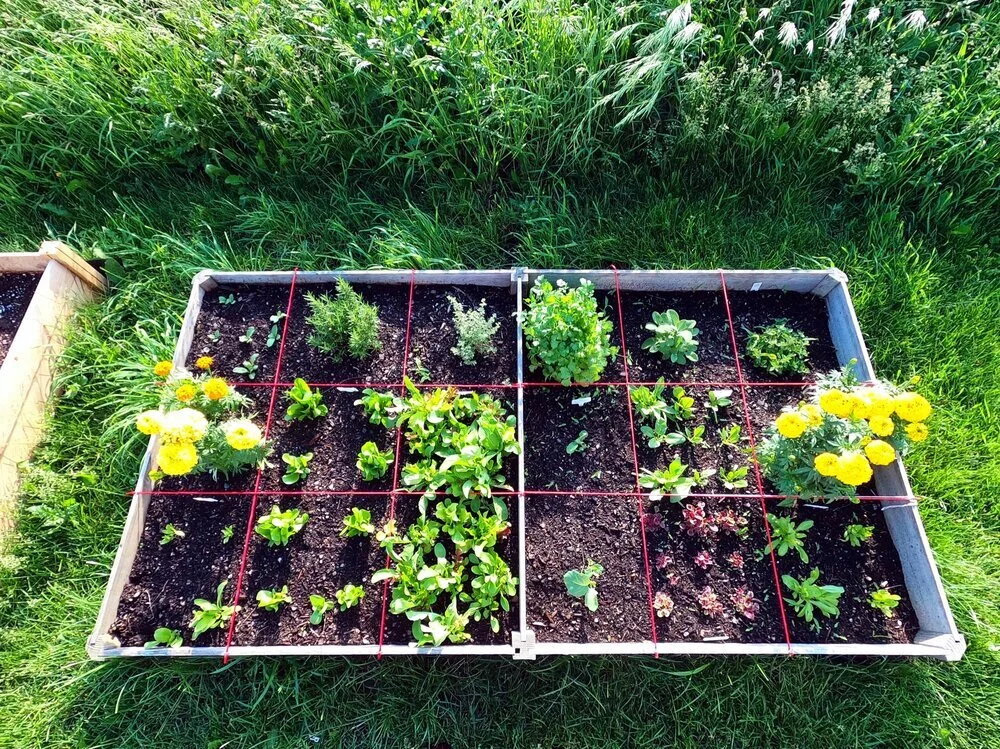
I used the square-foot method of gardening which is a simple method of creating small, orderly, and highly productive kitchen gardens. It was invented by backyard gardener, retired engineer, and efficiency expert Mel Bartholomew as a better way to grow a vegetable garden, and it became a huge hit when he introduced the idea to the gardening public in 1981 in his book Square Foot Gardening (Goodhouse Keeping). I wrote a post about it HERE.

8CF3DD6D-920E-4483-AF57-F1C12A9F365D.jpeg

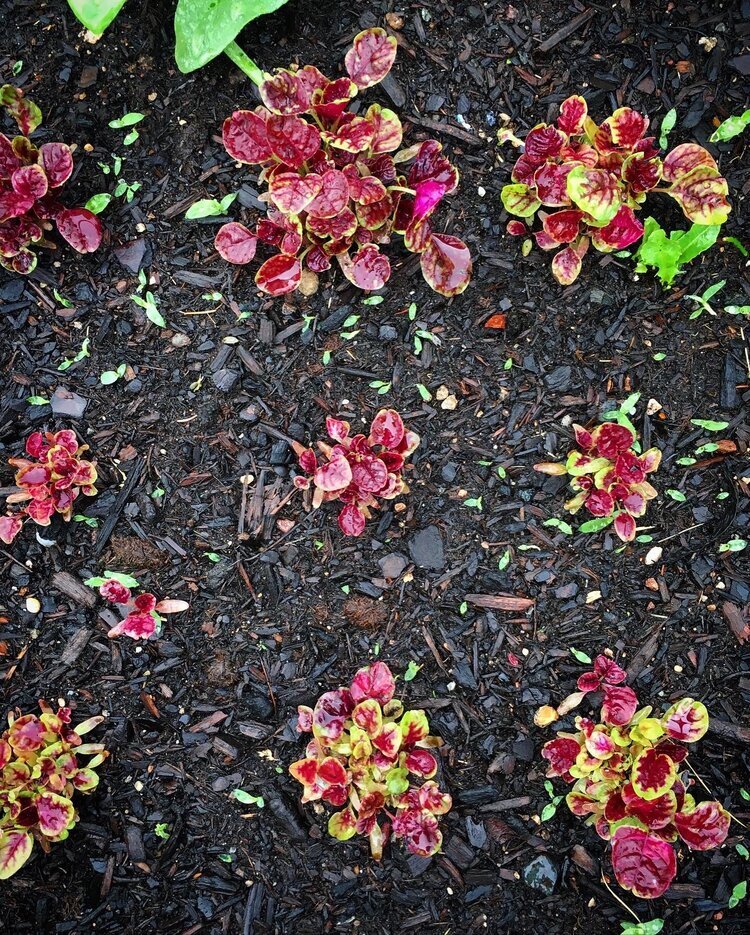
In this garden I planted things I normally eat and I stuck with heirloom seeds (which I normally get from Baker Creek Heirloom Seeds). From top left to right: borage, rosemary, thyme, cilantro, sage, and oregano. Middle left to right: marigolds, ‘Tom Thumb’ lettuce, mesclun classic mix, romanesco broccoli, ‘Bloomsdale Longstanding Spinach’ and more marigolds. Bottom left to right: calendula, ‘Tom Thumb’ lettuce and mesclun, romanesco broccoli, ‘Chinese Multicolor Spinach’ (it is actually a leaf amaranth), and calendula.

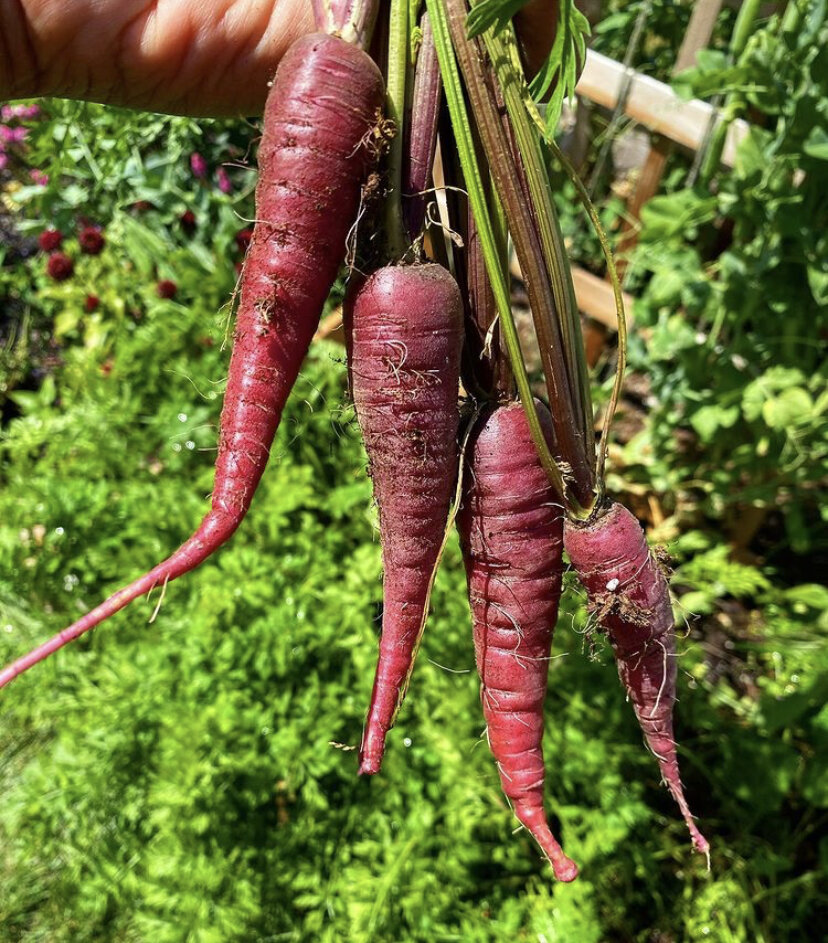
The herbs and flowers were planted as companion plants to deter pests and it worked for the most part. The herbs grew ridiculously fast and big, which is a great problem to have as you can freeze the majority of the herbs. In a separate garden bed next to the cottage garden one I planted peas, Purple Teepee bush beans (extremely prolific), and Purple Dragon carrots (which are ridiculously delicious!). In all this was a very rewarding experience and next year, the kitchen garden is coming back.

IMG_9769.jpeg
IMG_9718.jpeg
Purple Dragon Carrots

Purple Dragon Carrots

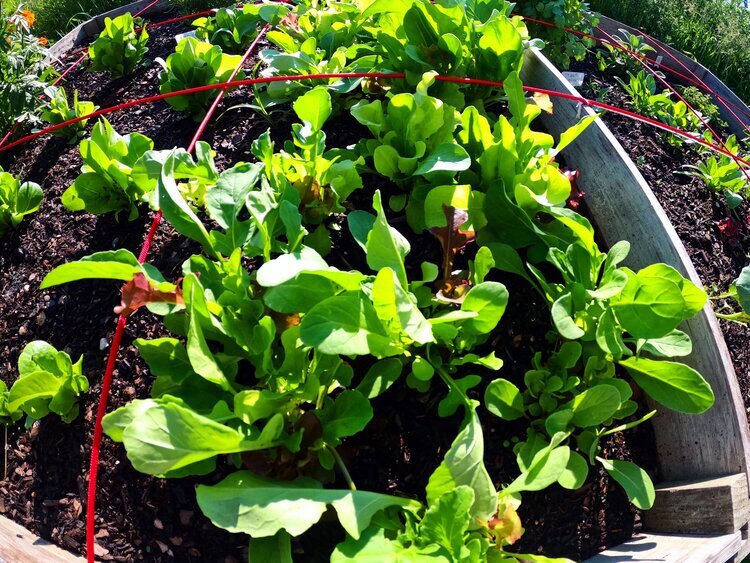
Mesclun mix

Mesclun mix

Chinese Multicolor Spinach

Chinese Multicolor Spinach

I could not keep up with how fast the mesclun mix was growing!

I could not keep up with how fast the mesclun mix was growing!

Purple Teepee beans

Purple Teepee beans

Herbs galore!

Herbs galore!


Rookie Mistakes

Of course, along the way I learned valuable lessons thanks to rookie mistakes because it was the first time I grew a veggie garden or a flower. Whether it was about underestimating the spacing and number of plants in one area, or growing habits, it made for some fun times.

  • The legumes and carrots bed was overflowing with goodness, which is not necessarily, a good thing. The bush beans are very leafy and started crowding the carrots and the bottom of the peas. I found myself having to think some areas multiple times during the season.

  • Planting rosemary and borage next to each other is not a bad thing, but I made the mistake of neglecting my garden for a couple of weeks and when I came out, the borage and rosemary bush were definitely not practicing social distancing.

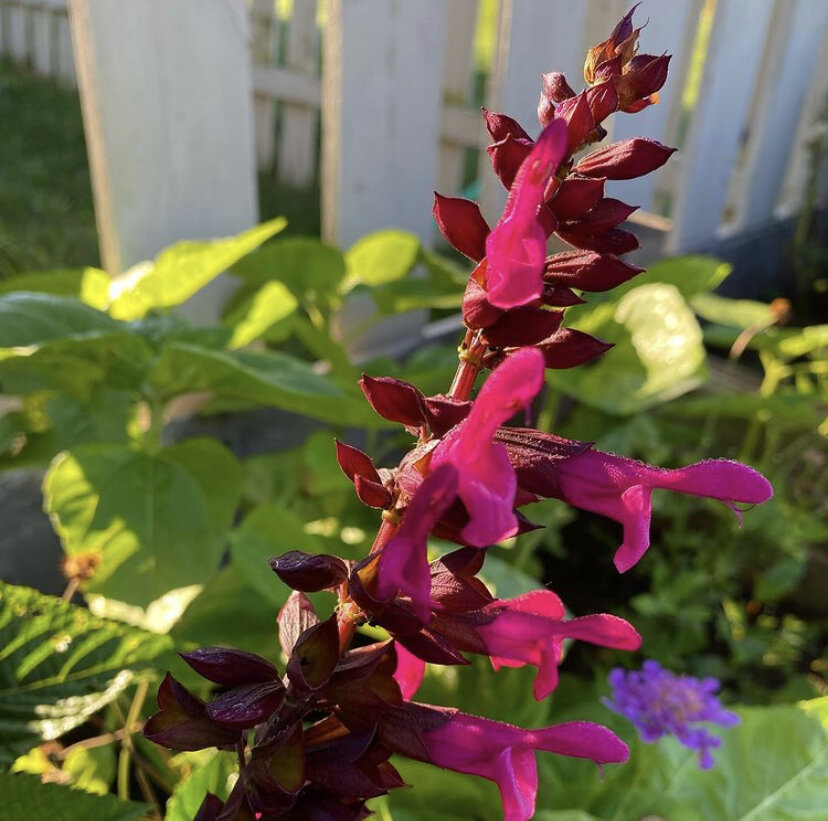
  • Flowers like salvia, chamomile and marigolds just took over the areas they were planted in and more. Again— research their growth habit.

A tangled legume mess.

A tangled legume mess.

Holy borage and rosemary!

Holy borage and rosemary!

Salvia

Salvia

German chamomile

German chamomile

Marigolds in the background

Marigolds in the background


Quarantine Crazy Plant Lady

Without a doubt the funniest thing that happened, gardening-wise, during quarantine was that I became an official crazy plant lady. I had three houseplants before all the craziness started, and now I own about 17 houseplants. It got so crazy that my husband bought me a shelving unit that now sits in front of our dining room’s south facing window, and my babies are loving it. To keep busy and meet my Master Gardener volunteer hours, I took a few online courses, and one of them was Hilton Carter course on propagating plants. Of all the courses I took, this is the one I have used the most. And one of the reasons I have even more plants.

Growing tropical houseplants has been interesting to me because growing up in Puerto Rico, we had many of these tropical plants growing in the outdoors, But trying to keep them alive indoors during the cold Minnesota winter is going to be a test. More to follow.

Snake Plant

Snake Plant

Calathea Lancifolia - Rattlesnake Plant

Calathea Lancifolia - Rattlesnake Plant

Maranta (Prayer plant) propagation station

Maranta (Prayer plant) propagation station

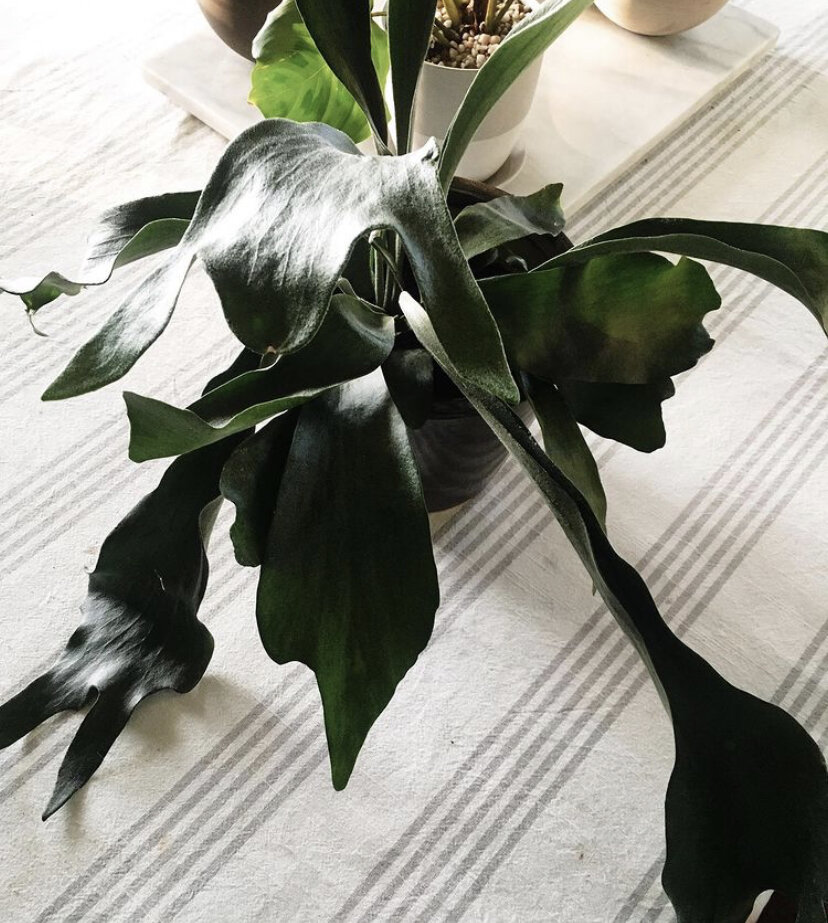
Staghorn Fern

Staghorn Fern

IMG_9730.jpeg
Bunny Ears cactus propagated.

Bunny Ears cactus propagated.

And last but not least, I wanted to share one of the most exciting things that happened during quarantine— I (along with some of our master gardeners) started writing a column for our local newspaper with garden tips and answering questions from readers, and it has been lots of fun. 2020 was my first year as a Master Gardener (not just an intern) and I was so excited about all the projects I wanted to work on. Sadly, because of COVID, a lot of that came to a screeching halt. So this opportunity to share our love for gardening was a heaven sent,. With this in mind, I am going into 2021 full of hope that no matter what happens, I will always have my garden. It is my happy place, my sanctuary, my gym, and my favorite place to be. Here is to new beginnings armed with faith, love and kindness. Happy New Year, my friends!

IMG_9748.jpeg